

Love in Shimla: An offbeat travel guide
Editor’s note: Today, Shimla is routinely dismissed as a once-beautiful hill station now overrun with tourists and fly-by-night operators. Its glories consigned firmly to the past. We thought: why not break the cliche? In this travel guide, journalist Takshi Mehta draws a vivid portrait of the hidden Shimla–the everyday Shimla that travellers often miss. Psst, heed her advice: don’t miss the staircases!
Written by: Takshi Mehta
*****
Here’s Takshi…
Shimla is an obvious choice. That’s exactly why this guide takes a different route. Instead of selling the city through the usual Kufri-toy train-Mall Road circuit, it looks at Shimla as it actually functions day to day—layered, slightly chaotic, and best understood between destinations rather than at them. This guide maps Shimla through use, not spectacle. It focuses on pauses, detours, and routines—the places locals return to, the routes people actually take, the cafes and staircases that don’t make it onto postcards. The aim isn’t to show you more Shimla, but to show you a version you’d miss if you followed the list.
First some basic travel deets…
Getting There
By road
If you can, drive. It’s faster, but also because it slowly warms you into Shimla. The Chandigarh-Shimla highway eases you in with dhabas, pine breaks, and long bends that feel designed for thinking. After Solan, the temperature drops, traffic thins, and the road starts bending inward. A self-drive or a hired car also lets you bypass the most exhausting part of Shimla travel: dragging luggage through crowds.
By train
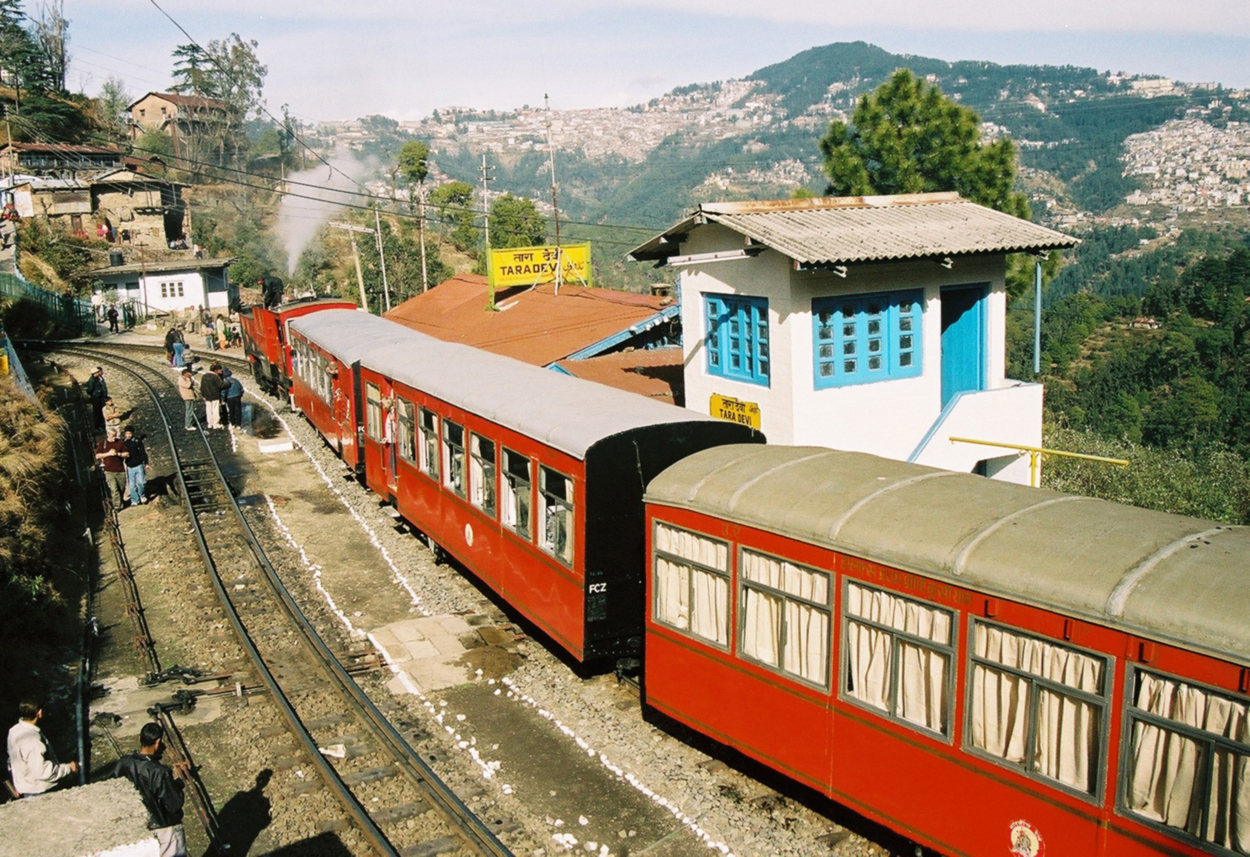
The Kalka-Shimla toy train is charming, yes. It is also a commitment. Seven hours, 100-plus tunnels, long halts. Take it if the journey is the point. Skip it if you want to arrive with energy and daylight left to use.
By air
Jubbarhatti airport is unreliable. Flights are limited and weather-dependent. If it works, it works. Otherwise, Chandigarh plus a road transfer is still the cleanest way in.
Timing matters
Try to arrive before sunset. Shimla is easier to read in daylight—paths, slopes, shortcuts. Night comes early, you want the hills to be visible on your first impression.
Getting Around
Shimla is compact but not flat. Distance matters less than elevation.
On foot
Walking is the default mode. Most cafes, bars, and everyday shops sit within a short radius, so wear your most comfortable shoes.
Taxis
Shimla has Ubers as well as local taxis which are useful for long jumps; Sanjauli, Jakhoo Hill, or returning late at night, but for distances that aren’t long, walk.
Local Basics
Cash: UPI works in most places, but smaller shops and late-night food joints still prefer cash. Carry some.
Weather shifts fast: Mornings can be clear, afternoons foggy, evenings cold. Layers beat heavy jackets.
Shops close early: Outside Mall Road, many stores shut by 8–9 pm, so keep that in mind. Food, however, stays available late.
Altitude fatigue is real: Shimla isn’t extreme, but the stairs add up. Pace yourself on day one. The city rewards lingering, not rushing.
Best Time To Visit
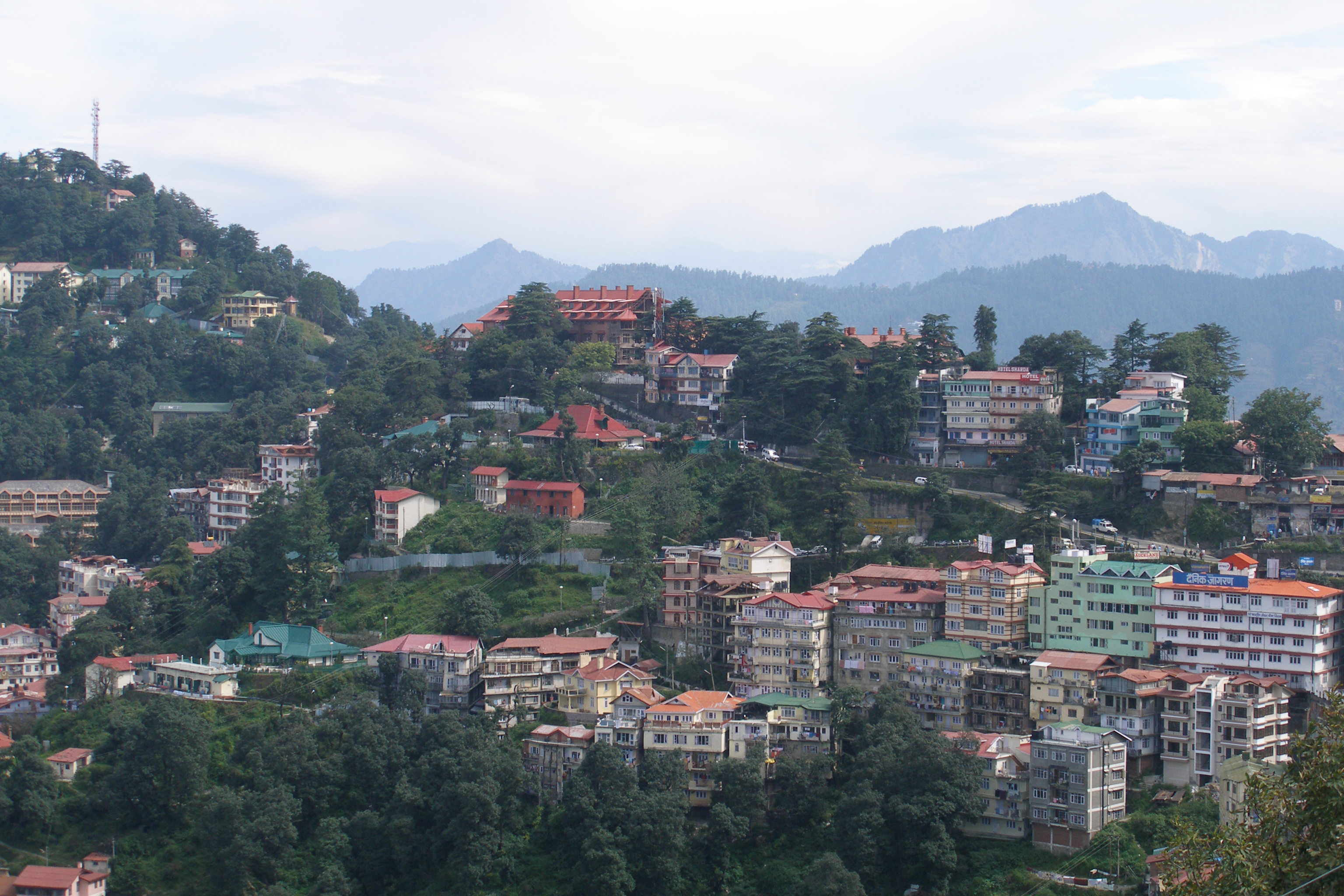
Shimla works in every season. The city just changes its mood.
March to May is the sweet spot. Clear days, cool evenings, and none of the June-early July chaos that turns the hills into a traffic jam with views. It’s busy enough to feel alive, not packed enough to feel trapped.
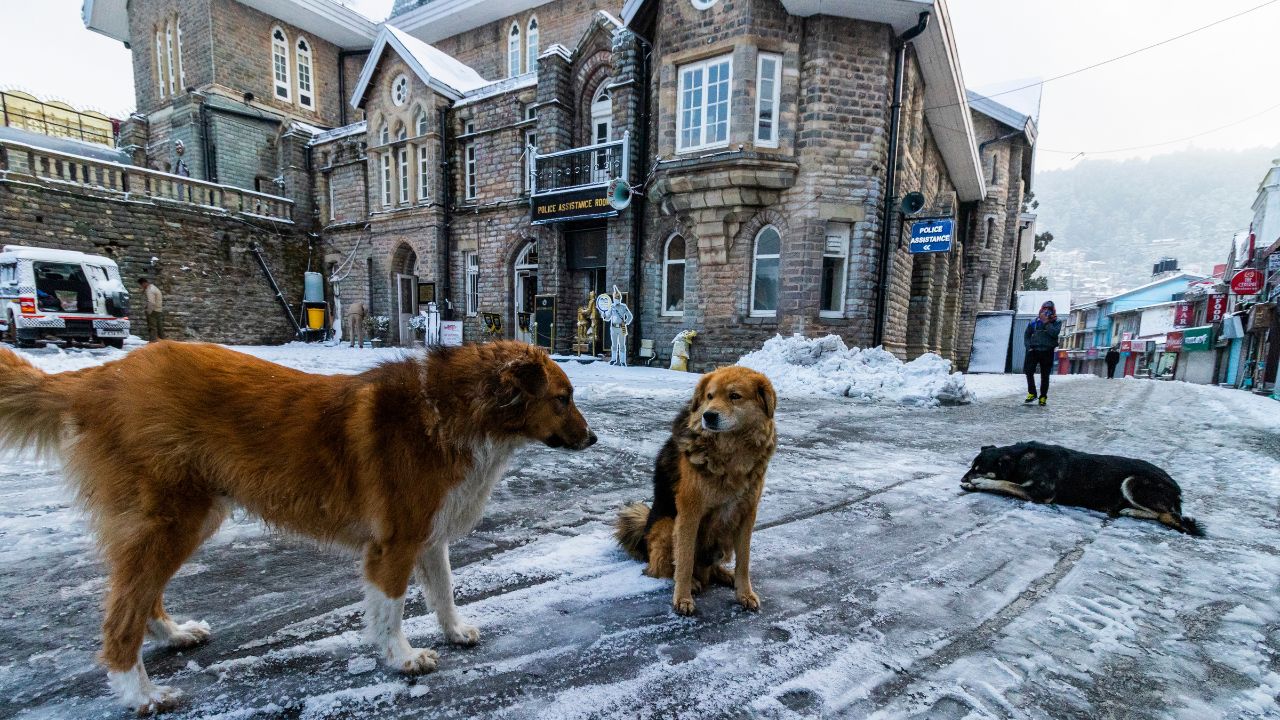
December to February is a different bet. It’s properly cold, and snow is never guaranteed. But if you want Shimla stripped of spectacle and soaked in quiet, this is when it’s most honest. Chilly, restrained, and a little moody. Off-beat, yes. Worth it, absolutely. I’d go.
Where to Stay
Choosing where to stay in Shimla is really about choosing how much distance you want from the crowd and what kind of mornings you prefer.
Luxury
Wildflower Hall, Mashobra (map)
This is the full escape. Set deep in cedar forests, Wildflower Hall is where you stay if you want Shimla without Shimla’s crowds. Rooms usually start around Rs 30,000 and go much higher in peak season. You come here for Himalayan-facing spa treatments, long breakfasts, and the sense that the city exists at a safe distance. Best suited for travellers who are happy not leaving the property much.
The Oberoi Cecil, Chaura Maidan (map) (see below)
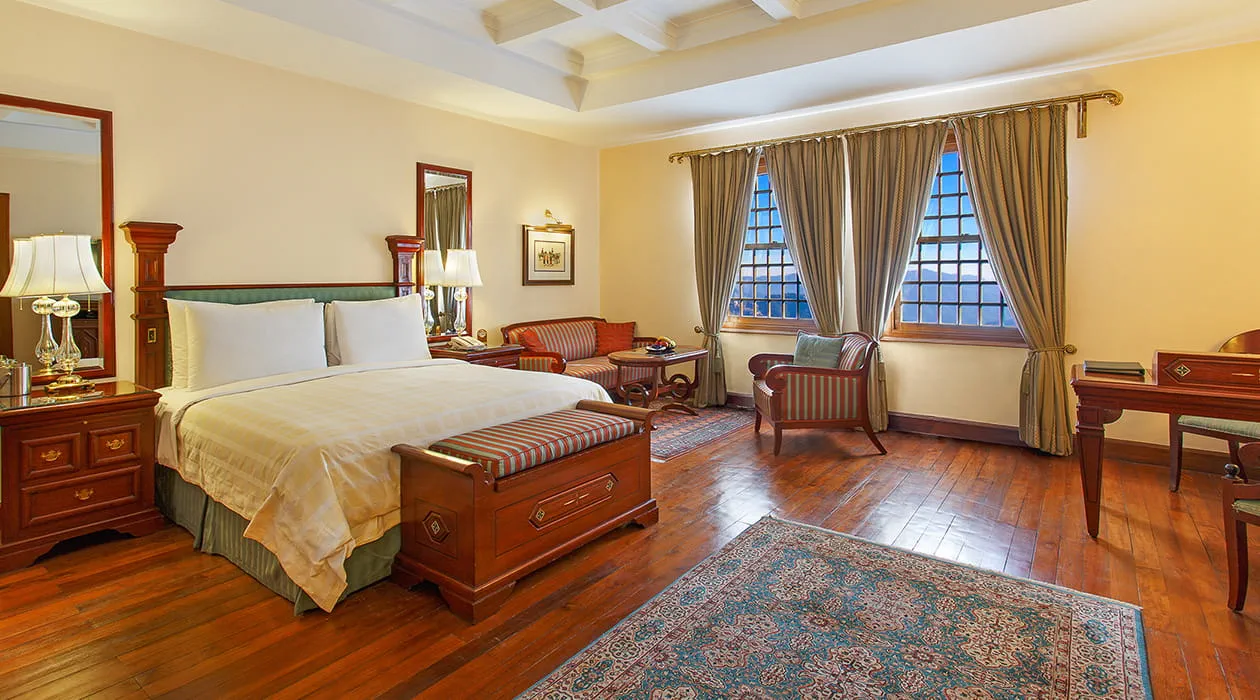
The most balanced luxury option in Shimla. Rooms range roughly from Rs 18,000 to Rs 30,000. It’s close enough to Mall Road to walk to, but far enough to avoid the chaos. Think fireplaces, a serious library, reliable food, and mornings designed for reading rather than sightseeing.
Mid-Range / Heritage
Clarkes Hotel, Mall Road (map)
A Shimla institution that still works. Rooms typically fall between Rs 6,000 and Rs 10,000. The draw is location and legacy—heritage charm without the isolation of hillside resorts. Ideal if you want to step straight into the city and don’t care for excessive frills.
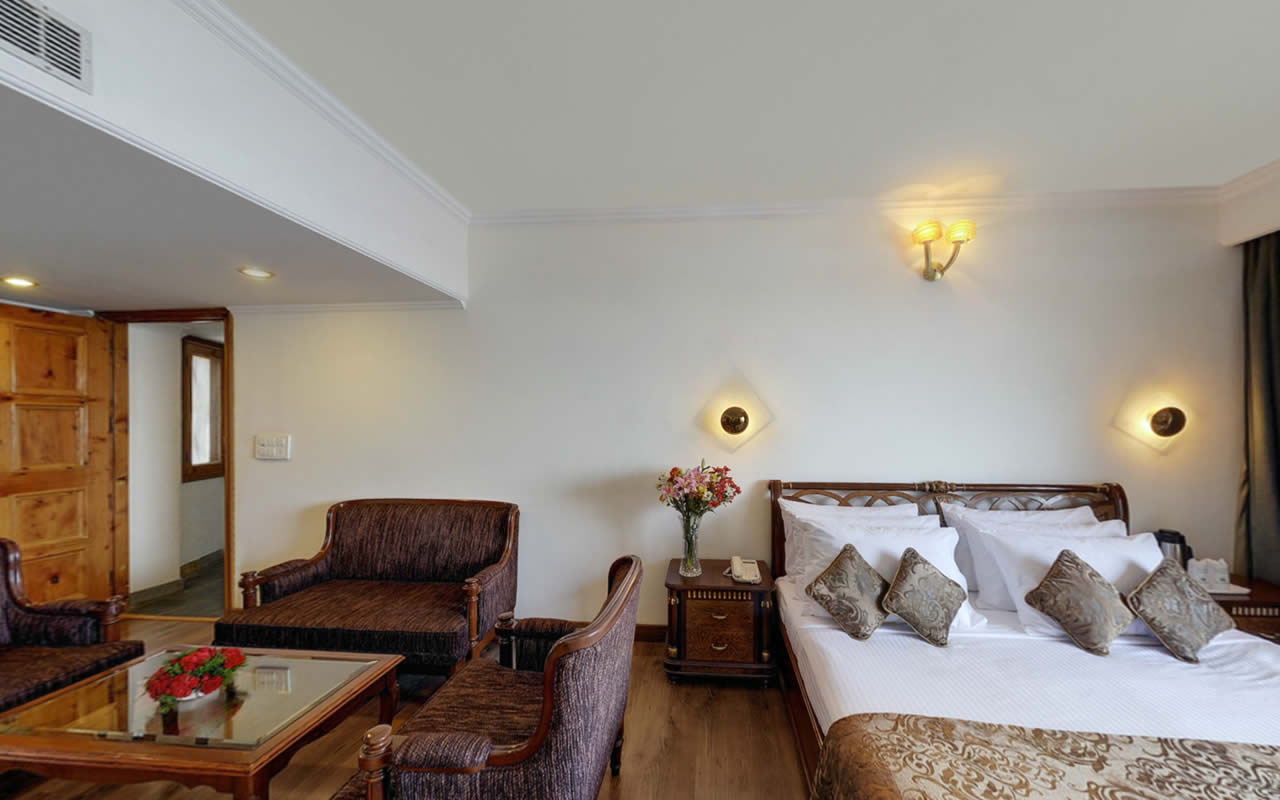
Hotel Combermere, Mall Road (map) (see below)
A view-first hotel in the thick of the city. Rooms are usually priced between Rs 6,000 and Rs 9,000. The rooftop terrace is the reason to stay, wide valley views without leaving Mall Road.
Budget & Homestays
Sanjauli Homestays
The best value stays are in and around Sanjauli (map). Expect clean, functional rooms in the Rs 1,500-3,500 range. You’ll be close to cafes, local bakeries, bus routes, and student hangouts. It’s practical, unfussy, and feels like real Shimla.
Chhota Shimla (map) Guesthouses
A quieter alternative to the centre, with rooms usually between Rs 2,000 and Rs 4,000. Well connected by road and bus, and far less hectic than Mall Road. Good if you want calmer evenings and don’t mind short taxi rides.
Lower Bazaar (map) Lodges
If budget is the priority, Lower Bazaar has basic lodges in the Rs 1,200-2,000 range. Rooms are small and amenities limited, but you’re in the thick of the city’s everyday life—markets, food stalls, and late-night movement right outside your door.
What to See & What To Do
Jakhoo Hill, Without the Temple (map)
Everyone knows Jakhoo for monkeys and a checklist temple visit. This guide suggests ignoring that version. The forest trails wrapping the hill are quieter, cooler, and far more revealing. Pines close in, the city drops away, and the air feels different.
Tips:
Distance: 30-90 minutes, depending on how much you wander
Best time: Early morning or late afternoon
Avoid: Midday heat, feeding monkeys, the main temple road
Sanjauli Evenings
Yes, Mall Road is the city centre and has its own charm, but if you want to see Shimla drop its pretense then Sanjauli it is. Between 5-7 pm, Shimla drops the tourist voice. Students spill out, cafes fill up, conversations get louder. Stay for this.
Walk: Sanjauli Chowk towards IGMC stretch
Stop for: Coffee at Cafe Sol, bakery snacks, street momos
Timing tip: Weekdays only; weekends don’t feel the same.
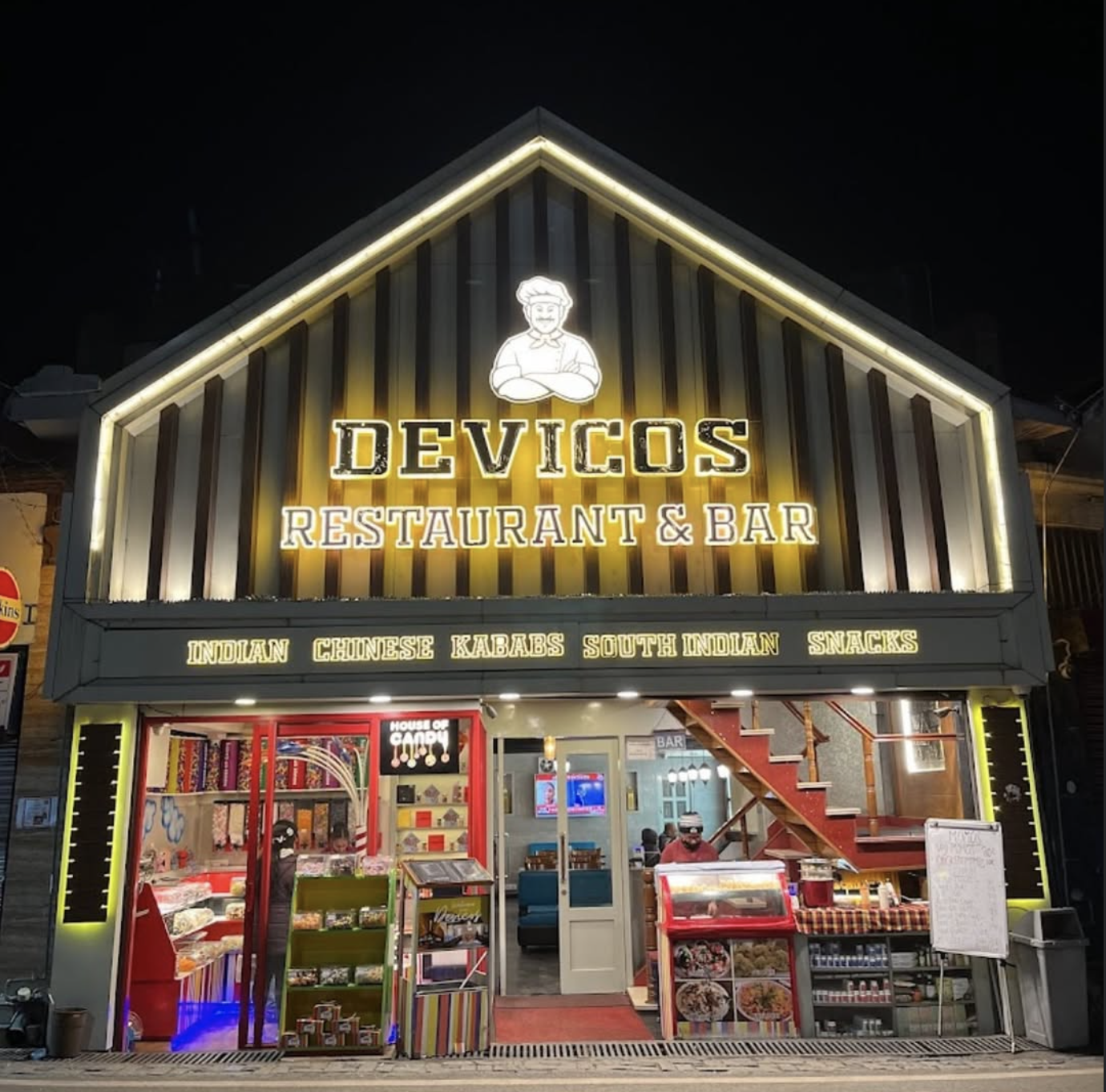
Devicos Bar (map) → Lower Bazaar, After Dark
Shimla doesn’t do nightlife theatrics. It does transitions. Start at Devicos Bar—wood-panelled, steady, old-school—and then move downhill to Lower Bazaar, where the city eats late. Momos steam, shop shutters half-close, conversations get louder.
This is Shimla briefly dropping its manners.
What to eat:
Steamed momos
Fried momos with chilli
Chowmein
Timing: After 8 pm
Getting there: Taxi downhill; Rs 80-150.
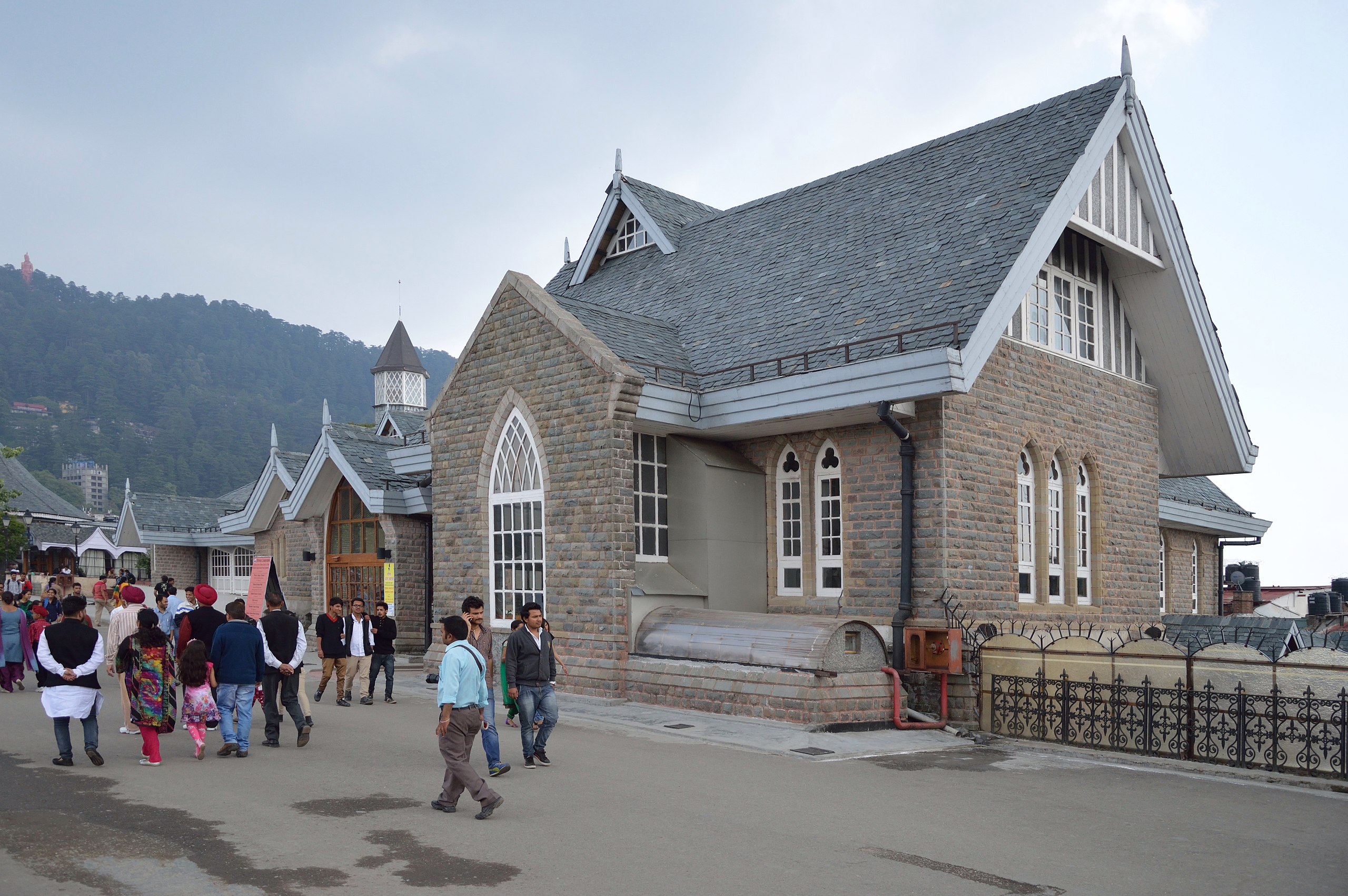
Gaiety Theatre (map) – Mall Road
Shimla’s century-old theatre isn’t just a building; it’s the city’s stage for history, performances, and occasional local drama. Even if no show is on, the façade, wooden interiors, and high ceilings speak of a Shimla that once moved slowly and ceremoniously. If you love architecture, you’ll want to see this.
Stairways, Not Shortcuts
This guide keeps returning to stairways for a reason. They are Shimla’s operating system and often ignored by tourists. Walk them slowly. They open into fogged corners, old doors, stray cats, and views that show up unannounced. Go with someone you can talk to, because Shimla is best experienced in good company.
Where: Around Lakkar Bazaar, Middle Bazaar, Circular Road edges
Tip: Wear good shoes. Trust your legs.
Where & What To Buy…
Lakkar Bazaar (map)
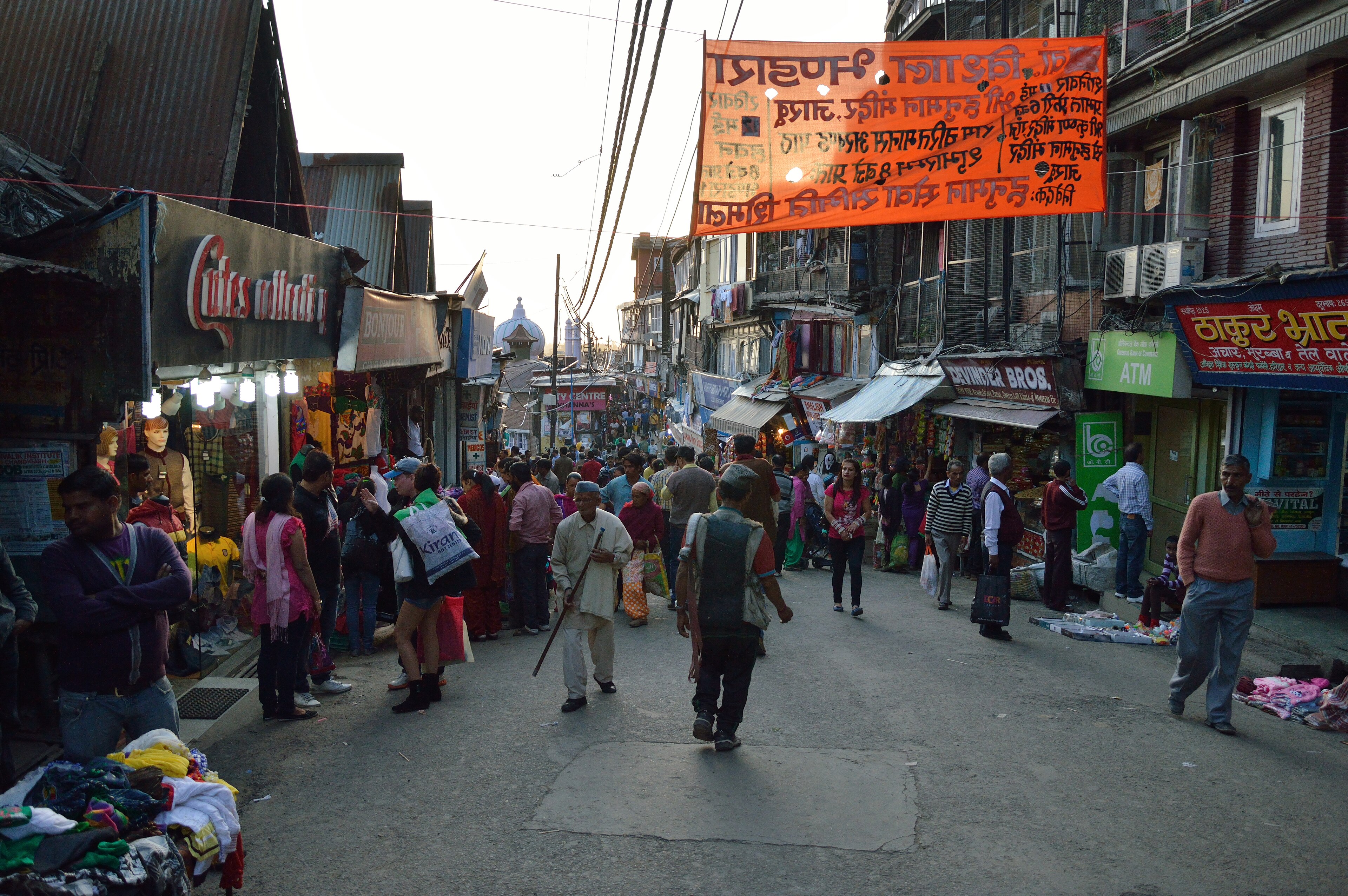
Lakkar Bazaar is usually sold as a souvenir stop. However, look closer and it’s all about usable stuff people actually wear and use. The main road is a tourist theatre. The backstreets are where locals shop. This is where Shimla shops for winter.
What to buy:
Woollen gloves, caps, socks
Thrifted jackets that have already seen a few winters
Small wooden tools and boxes
Tip: Cash helps. Haggling works but stay practical. If it feels overpriced, walk one lane deeper.
Lower Bazaar Markets
Shimla’s everyday shopping district, loud and lively. Locals come here for basics.
What to buy:
Spices: Chamba/Kinnaur rajma (dark, small, cooks soft), kala jeera (black cumin, smoky), jangli ajwain (wild mountain thyme), black cardamom.
Snacks: Roasted chana with skin, mathri, namakpare, fried sev and Siddu flour mix if available.
Tips: Afternoons are busy; keep your bag zipped and carry cash. Skip packaged “Himachali spice boxes”—buy loose, the small local stores are better.
Where & What To Eat…
Himachali Rasoi, Mall Road (map)
An overpriced restaurant that promises real Himachali food is the worst way to try Shimla’s cuisine; instead go to this small, highly recommended local dhaba-esque restaurant that is as authentic as they come.
What to eat:
Chana Madra (curd chickpea curry)
Gahat dal (local lentils)
Seasonal vegetables, pumpkin, or rajma
Siddu (Himachali steamed bread)
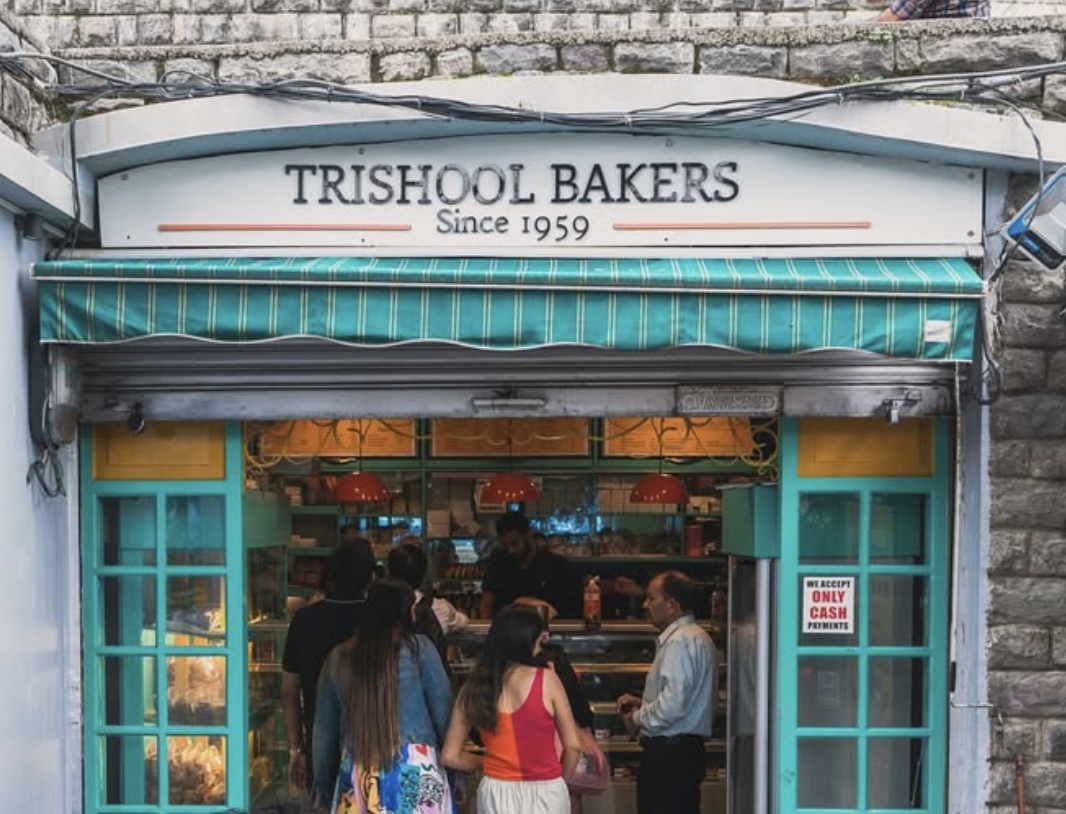
Trishool Bakery, Mall Road (map)
This is a classic, you cannot miss it. Started in 1959, it’s a family-run bakery that never goes wrong.
What to eat:
Spoonie (Soft Chocolate Dessert)
Patties
Momos
Japanese Pastries
Tips: Go mid-morning or late afternoon. Lines form at peak hours. Grab takeaway if needed.
Sita Ram & Sons – Lakkar Bazaar, (map)
Shimla is all about the momos and bakeries, I know, but this small, no-frills eatery near Ridge that serves the best chole bhature/luchi/kulcha will definitely be the highlight of your foodtrail, trust me.
Tips: Best before 2 pm. Small sit-down area.
Day trip ideas…
Yes, it’s touristy, but the short rides and horse paths are worth it if you want snow in winter or a quick hill walk in summer.
What to do:
Mini-hiking trails around the park
Pony rides or go-kart if you feel touristy
Snow slides in winter
Tips: Morning is best; avoid weekends if you want space.

Mashobra Village (map)
A 30-minute drive from Shimla, this is where the valley opens. Orchards, small cafes, and quiet forest trails.
What to do:
Walk orchard lanes
Stop for tea at Cafe Forest View or small local cafes
*****
Takshi Mehta is a lifestyle writer and journalist with an enduring love for cricket, cinema, and culture. You can follow her on Instagram: @takshimehta
 souk picks