
Pune’s many faces: A culture guide
Editor’s note: In this culture guide, journalist Takshi Mehta takes us on a tour of the dynamic and bustling city of Pune, which offers something for everyone.
Written by: Takshi Mehta
*****
Pune runs on a few overlapping identities at once, and it rarely bothers to reconcile them. Walk through the old peths and you're in the Peshwas' former capital, wada courtyards and narrow lanes still laid out the way an 18th century empire organised them. Cross into the university belt, and it's the “Oxford of the East”, a city that has always had more colleges than it strictly needs. Evenings belong to classical music and Marathi theatre, both still taken more seriously here than almost anywhere else in the country. And running underneath all of it is a more structural Pune—cantonments, an army command, a defence-research establishment that most visitors never think to look for.
The city in uniform
Southern Command, the Indian Army's oldest and largest command, has been headquartered in Pune since 1895. After Independence, the city was built up further as a hub for military training, research, and manufacture, a role the British cantonment here had already started.
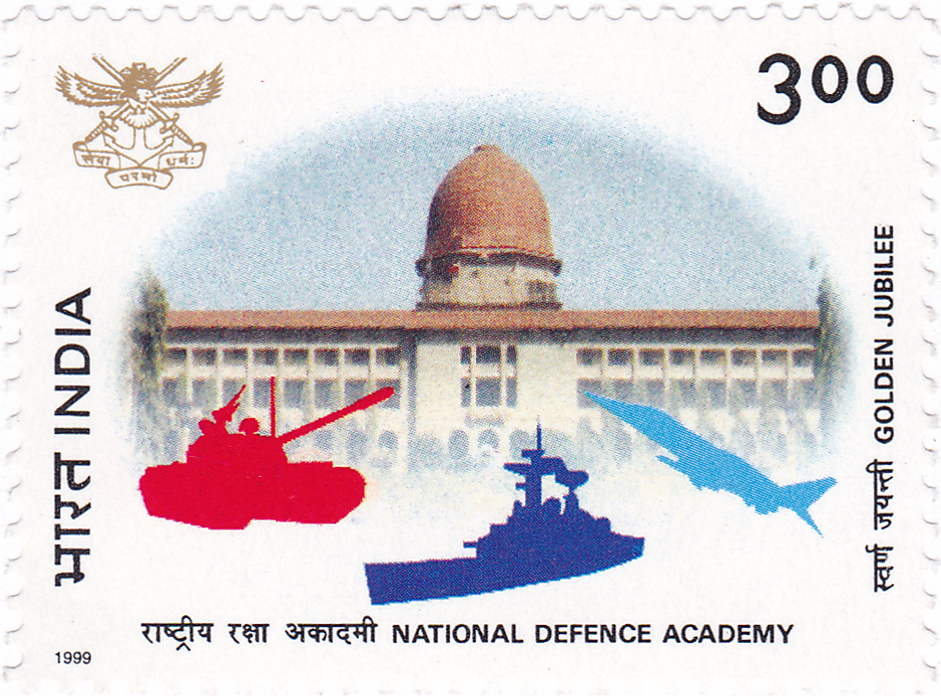
The National Defence Academy at Khadakwasla, about 17 km southwest of the city, is the world's first tri-service academy, where Army, Navy, and Air Force cadets train together before moving on to their individual service academies. Nehru laid its foundation stone in 1949; it was formally commissioned in 1954. The campus is off-limits without invitation, but the passing-out parades are public, and the drive out passes Khadakwasla Dam and Sinhagad Fort.
The Armament Research & Development Establishment in Pashan, next to the National Chemical Laboratory, is DRDO's main lab for conventional weapons; it designed the 7.62mm SLR used in the 1965 and 1971 wars, and later the INSAS rifle. It's not open to visitors, and you won't get past the gate, but its presence is why much of that part of the city functions as a defence-research campus rather than an ordinary neighbourhood.
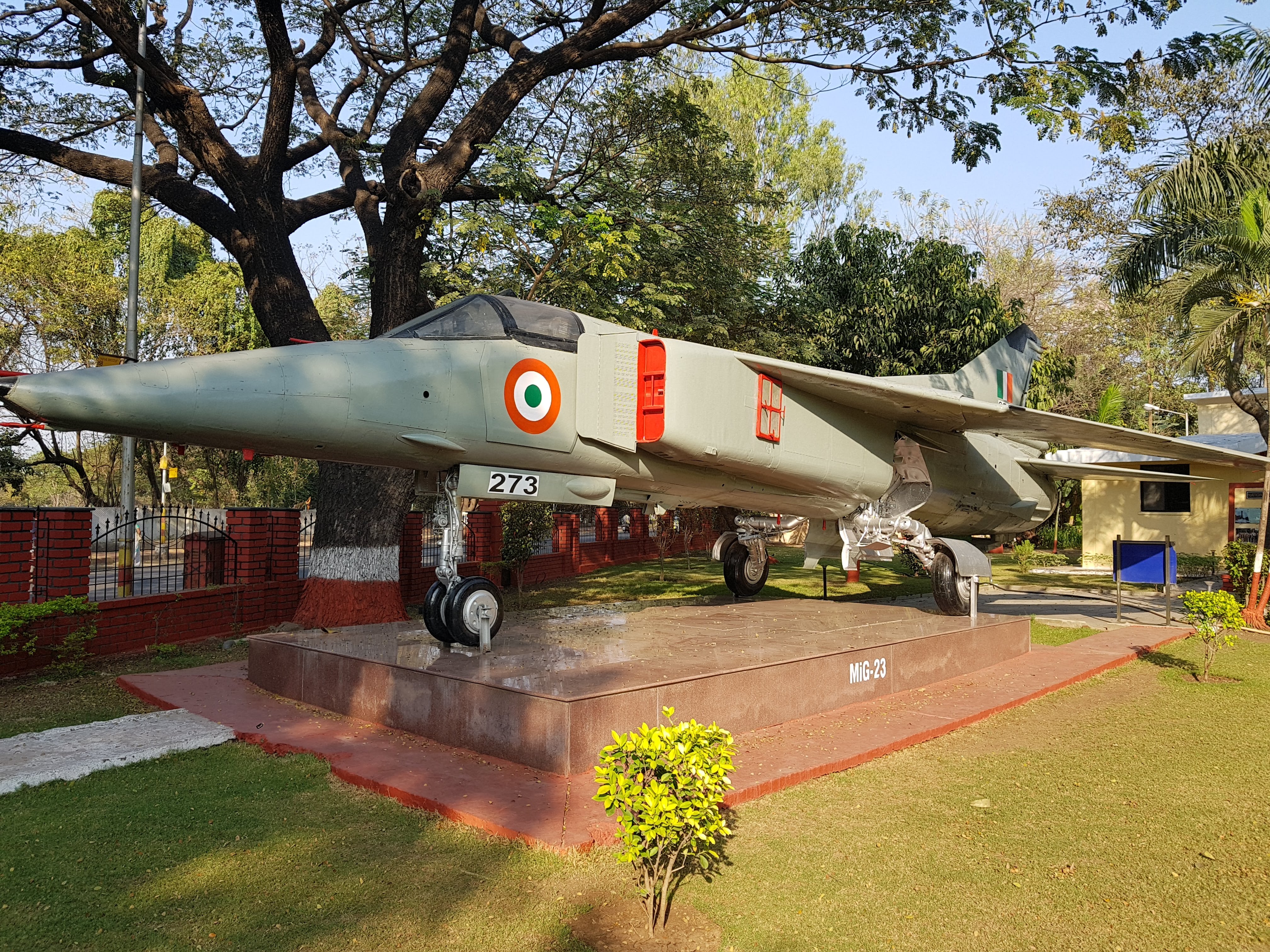
The National War Memorial, Southern Command, at Ghorpadi, is the only war memorial in South Asia funded entirely by public donations, unveiled in August 1998. It has a 25-foot marble pillar, an eternal flame, and a museum with decommissioned tanks and a MiG-23BN on the lawn outside.
Architecture: from Peshwas to the present
Pune's old core is organised into peths; city wards named after the day of the week their weekly market used to fall on, and they still function as ordinary neighbourhoods rather than preserved districts.
Shaniwar Wada (map): Built in 1732 by Peshwa Bajirao I, this was the political headquarters of the Maratha empire until a fire gutted most of it in 1818. What remains is the Delhi Darwaza gate, the outer ramparts, and the base of a fountain system. The stonework at the base is Mughal-influenced; the carving above, where it survives, is Maratha teak. It's also where the young Peshwa Narayanrao was assassinated in 1773, reportedly on his uncle's orders, a story the evening light-and-sound show tells in full.
Vishrambaug Wada (map): A short walk from Shaniwar Wada, this restored wooden mansion belonged to Peshwa Bajirao II, and gives a better sense than its neighbour does of what these buildings' carved wooden interiors actually looked like.
Aga Khan Palace (map): Built in 1892 in an Italianate style, best known for 1942-44, when the British detained Mahatma Gandhi, Kasturba Gandhi, and Gandhi's secretary Mahadev Desai here during the Quit India Movement. Kasturba Gandhi and Desai both died in custody here; their samadhis are on the grounds, along with a small Gandhi museum. Architecturally, a useful contrast to the timber-and-stone wadas across town.
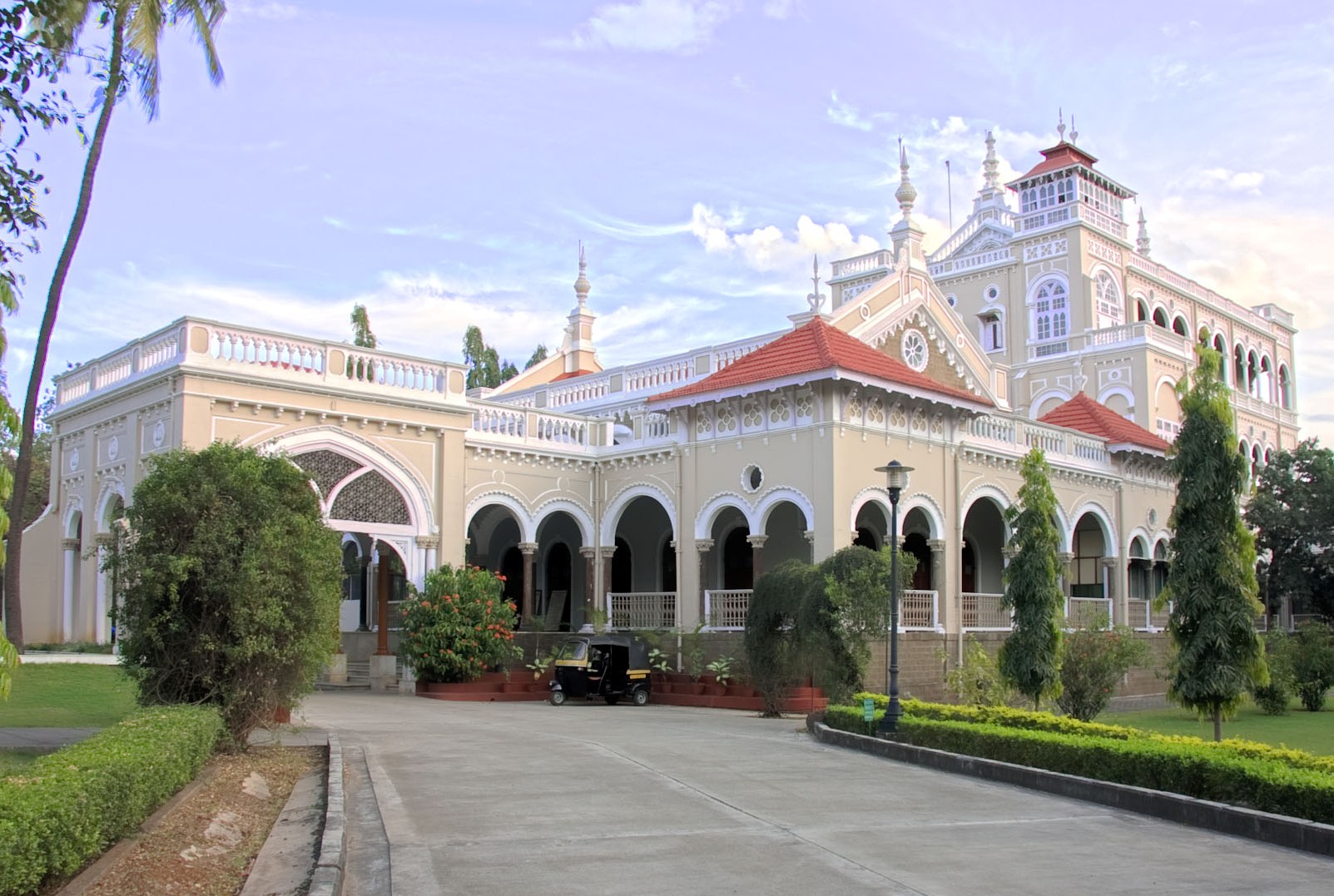
Past the peths, the city's architecture shifts registers entirely; fewer palaces, more institutions, and a city built for contemporary life’s pace.
IUCAA (map): On the Pune University campus, Charles Correa built the Inter-University Centre for Astronomy and Astrophysics in 1992—black basalt walls, exposed concrete, and a central courtyard called the “Black Hole”, conceived as architecture standing in for cosmology, right down to a kund reworked as a metaphor for the expanding universe. It's a working research institute, not a tourist stop, but the courtyards are visible from the campus paths, and it's worth the detour if you're curious what a serious architect does when the brief is literally “the universe”.
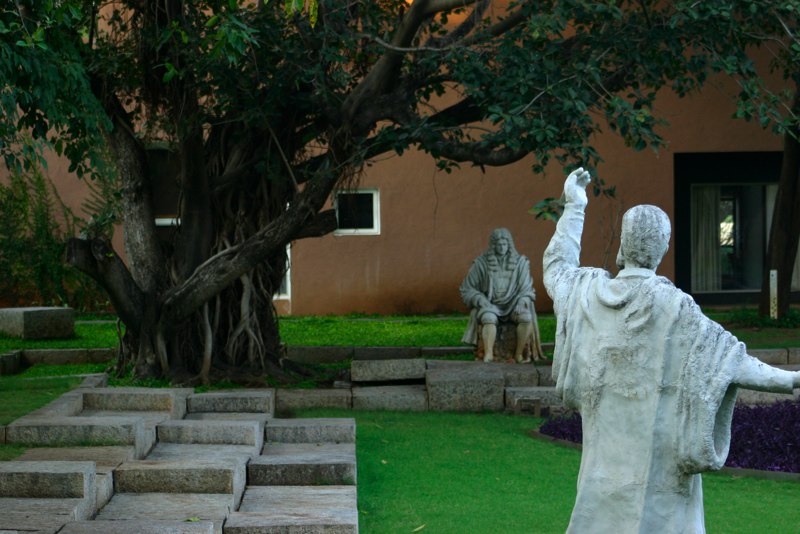
Suzlon One Earth (map): On the Pune–Mumbai corridor, this is the late Christopher Benninger's best-known Pune building—a 10-acre, LEED Platinum campus for the wind-energy company Suzlon, built around a central courtyard and reflecting pool, drawing loosely on Fatehpur Sikri and Madurai's temple complexes for its clustered, low-slung form. Benninger, an American-born architect who made Pune his base for decades, has more built work scattered across the city than almost anyone since, however this is the one worth seeing if you only have time for one.
Music, dance, and drama
Pune's two great cultural exports are Hindustani classical music and Marathi musical theatre, and it takes both with a seriousness that borders on devotional.
Sawai Gandharva Bhimsen Mahotsav: Pune's flagship classical music festival, started in 1953 by the vocalist Bhimsen Joshi to commemorate his guru, Sawai Gandharva. Held traditionally over the second weekend of December, it has hosted most of the major names in Hindustani vocal music over the decades, including Gangubai Hangal, Kumar Gandharva, and Kishori Amonkar. A debut slot here still carries weight for younger musicians. Book tickets in advance.
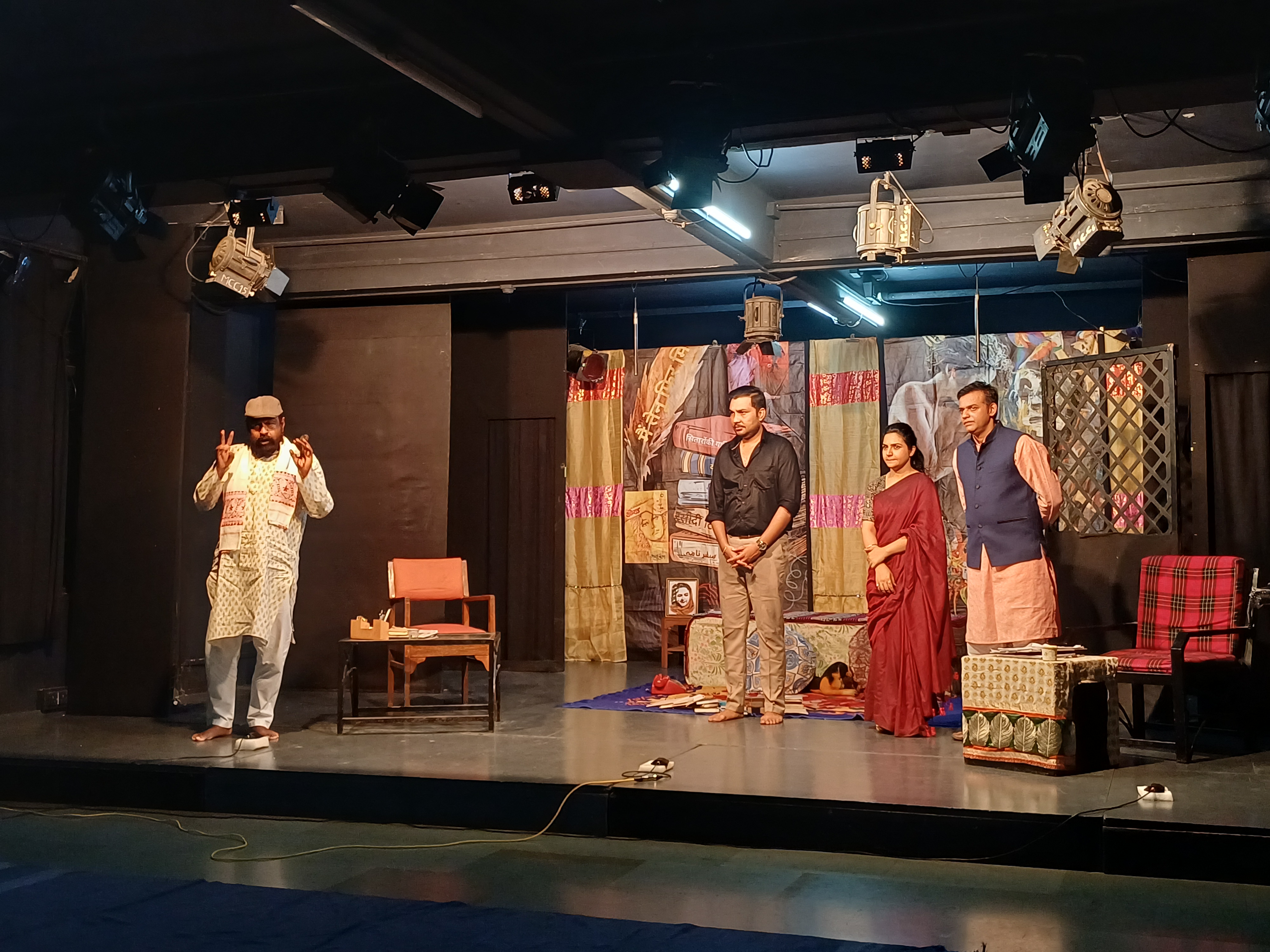
Sangeet Natak: Marathi musical theatre: 19th-century plays combining spoken prose with sung poetry, closer to opera than to straight drama, a form that never really went out of fashion here or in its other strongholds, Mumbai and Kolhapur. It traces back to Vishnudas Bhave's 1843 staging of ‘Seeta Swayamvar’ and was later formalised by the playwright-composer Annasaheb Kirloskar. Its most storied performer, the singer-actor Bal Gandharva, ended up lending the form his own name. Productions today are staged mainly at Bal Gandharva Rangmandir (map) and Bharat Natya Mandir (map), both of which run a regular Marathi theatre calendar rather than treating it as an occasional revival.
Sudarshan Rangmanch: Run by the Maharashtra Cultural Center since 1965, currently led by the actor Mohan Agashe, this is the more experimental end of Pune's theatre scene—smaller productions, new writing, and space for amateur groups that the bigger auditoriums don't usually make room for.
The festival that make the rest of the year feel like waiting
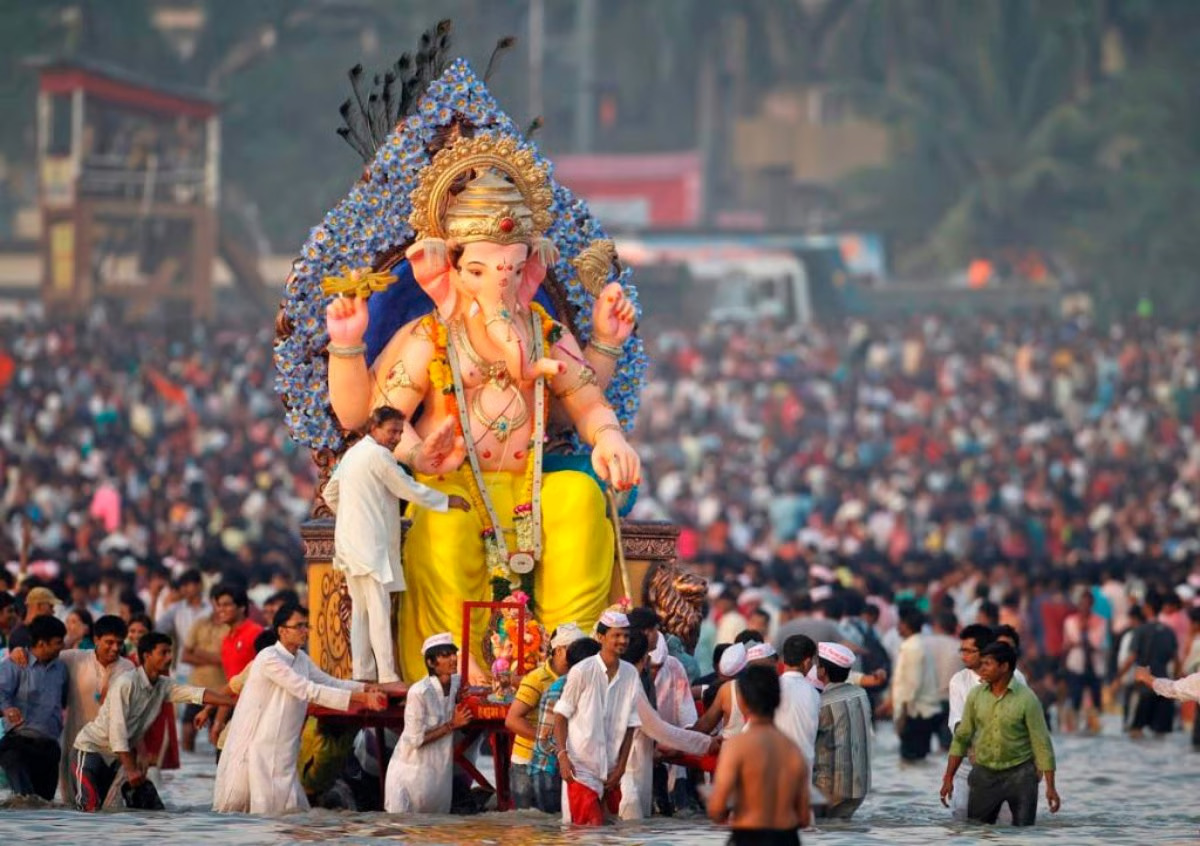
Ganeshotsav: In 1893, Bal Gangadhar Tilak turned what had been a private, household ritual into a public festival—a way to gather crowds the British couldn't easily ban, staged under the cover of religious devotion. It worked, and it never really stopped working. Ten days every year, starting on Ganesh Chaturthi, the city fills with pandals competing on scale and spectacle, and five mandals – the Manache Ganpati, led by Kasba Ganpati, considered the city's own guardian deity, get the honour of leading the immersion procession, an order that hasn't changed in over a century. The Dagdusheth Halwai Ganpati, not one of the five but arguably the most photographed idol in the state, draws its own separate queues that can run for hours. Go for the immersion procession on the last day if you want to see the whole city turn out at once; go earlier in the week if you'd rather actually see the pandals.
Museums, galleries, and one very good library
Sudarshan Art Gallery (map): Doing double duty with the theatre next door, this is one of the few spaces in the city giving both established and emerging artists regular wall space. Worth checking on the way to a play.
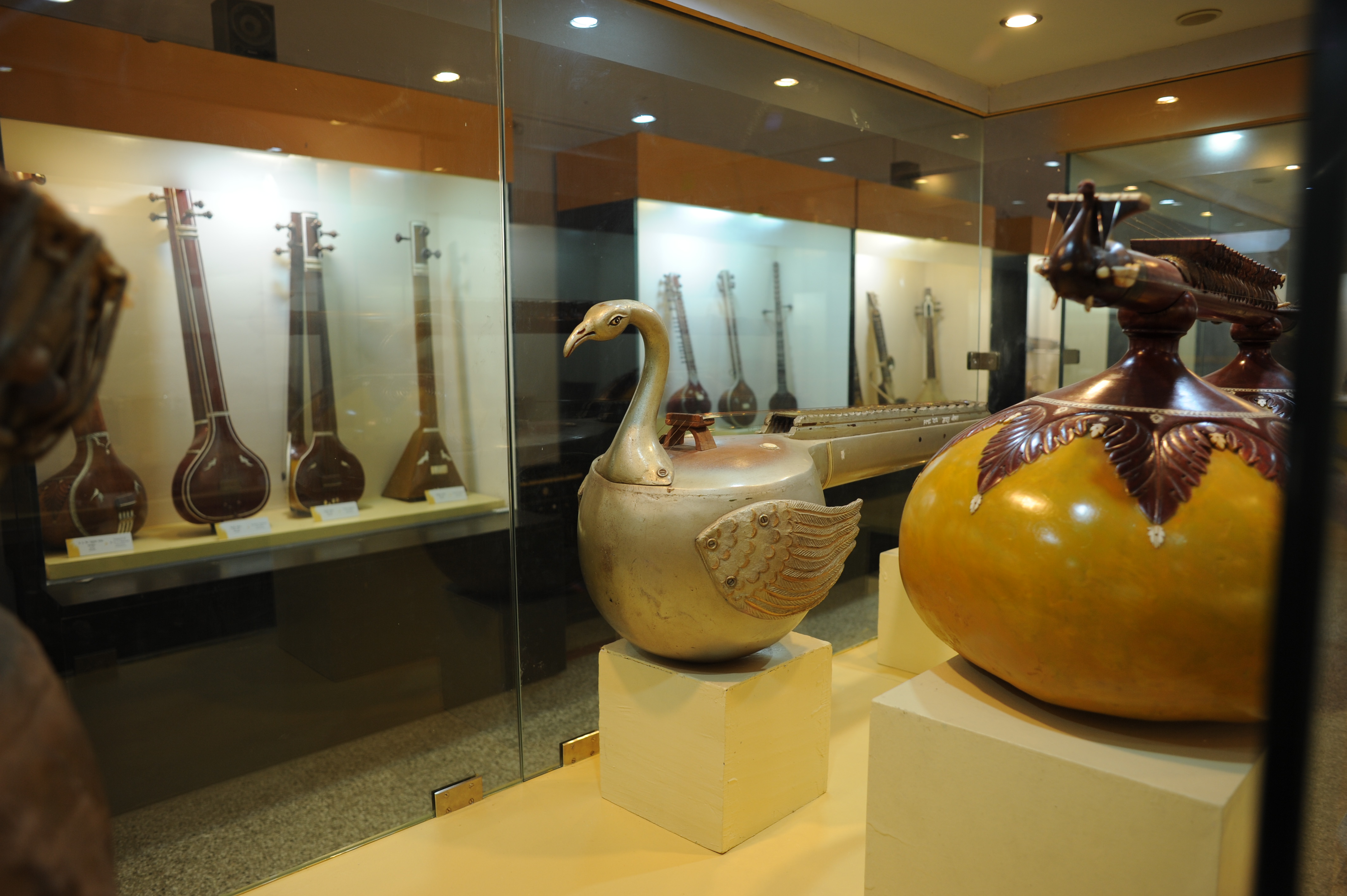
Raja Dinkar Kelkar Museum (map): On Bajirao Road, this is the more eccentric stop, and the better story: it’s the private collection of one man, Dinkar G Kelkar, built up from 1920 and opened to the public in 1962, dedicated to the memory of his son Raja. Around 20,000 objects spread across three floors—musical instruments, ivory and silverwork, lamps, textiles, and a reconstructed 18th-century room called the Mastani Mahal, dismantled from its original site in Kothrud and rebuilt here piece by piece. The good stuff is easy to miss if you don't follow the floor plan, so ask at the desk rather than wandering in blind.
Pune Nagar Vachan Mandir (map): In Budhwar Peth, one of India's oldest public libraries, founded in 1848 as the Poona Native General Library inside Budhwar Wada, and rebuilt by a group of Pune reformers, including the judge Mahadev Govind Ranade, after the original building burned down. It holds over 70,000 books today, with a strong Marathi collection, and still runs as a working reading room rather than a heritage site—high ceilings, wooden cupboards, daily newspapers, a membership desk that still takes new members.Worth visiting even if you don't read Marathi—it's rare to find a 175-year-old library that's still a working reading room rather than a museum piece.
The city that trained Indian cinema
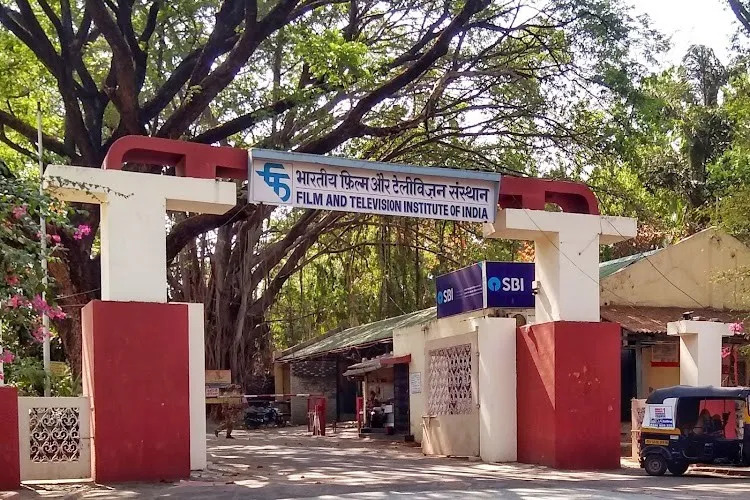
FTII (map): On Law College Road, the Film and Television Institute of India occupies the old premises of Prabhat Studios, the Kolhapur-founded production house that moved to Pune in 1933 and became, for a couple of decades, the biggest film studio in Asia. The government set up FTII here in 1960, on the same grounds, and the old Prabhat-era shooting stages are still in use—reputedly the oldest functioning film studios in the world. The campus isn't generally open to walk-in visitors, but its heritage walks and the Prabhat Museum, when scheduled, are worth timing a visit around; alumni here have gone on to shape a large share of Indian film and television.
NFAI: A short distance away on the same road, the National Film Archive of India has been collecting and preserving Indian cinema since 1964—prints, posters, stills, and writing on film, some of it dating back to 1910. It was folded into the National Film Development Corporation in a 2022 restructuring, along with a few other government film bodies, which cost it its independent leadership but hasn't changed its address or its holdings. Public screenings run periodically out of its own theatre; check listings before you go, since the schedule isn't constant.
The other Pune, after dark
None of the above is the Pune that most of the city's younger residents actually spend their evenings in. That Pune runs on a different set of neighbourhoods entirely, and it's worth knowing both halves.
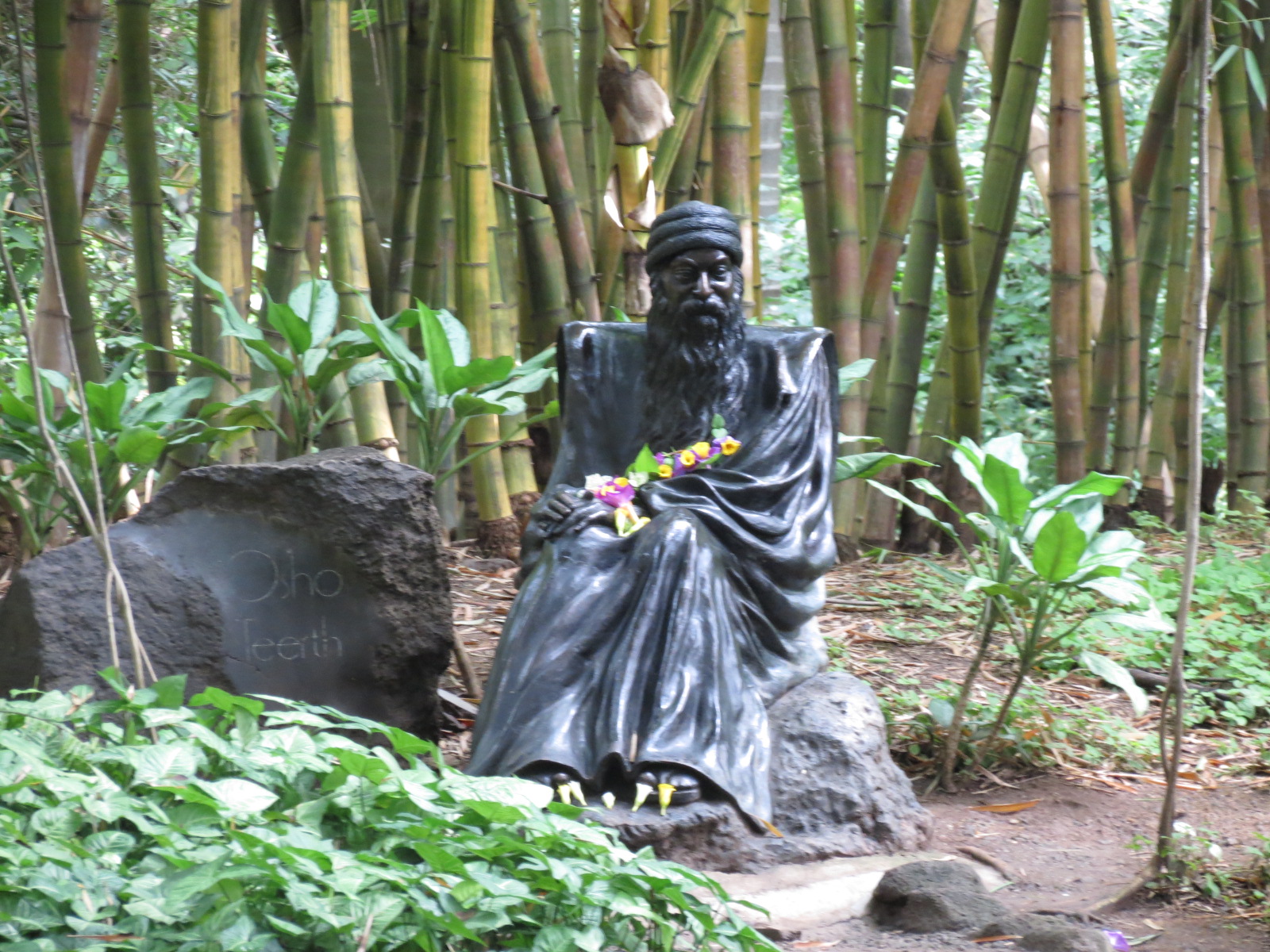
Koregaon Park (map): Once the quieter, leafier end of the cantonment, KP turned into something else entirely from the 1970s onward, when Osho (then Bhagwan Rajneesh) set up his ashram here and turned the neighbourhood into an unlikely global meditation hub. The Osho International Meditation Resort still runs on the same site, 40 landscaped acres behind maroon-robed gates, with the adjoining Osho Teerth Park open to the public morning and evening at no charge. Around it, KP has become the city's densest cluster of cafes, restaurants, and bars—German Bakery, an old KP institution rebuilt after the 2010 blast, remains a reliable breakfast stop; High Spirits and Elephant & Co anchor the dance-music-and-drinks end of things. It's the neighbourhood locals mean when they say they're “going out”.
Kalyani Nagar (map) and Balewadi High Street (map): If Koregaon Park is where Pune's nightlife started, Balewadi and Kalyani Nagar are where a lot of it has moved. Balewadi High Street, in the city's western IT corridor, is a long strip of cafes, breweries, and restaurants that fills up on weeknights with the tech crowd from the nearby office parks; Kalyani Nagar, to the east, has become the city's craft-beer centre, anchored by brewpubs like Toit and Independence Brewing Company, the latter running here since 2011 and generally credited as one of the pioneers of the scene.
Eat: misal first, then everything that came after
Every Punekar you meet will have an urgent, entirely unprompted opinion about where you should be eating misal, and will not be shy about correcting you if they think you're doing it wrong, but here are a few favourites.
Bedekar (map): Near Appa Balwant Chowk, the old-guard version, brisk and entirely unbothered by your opinion of it.
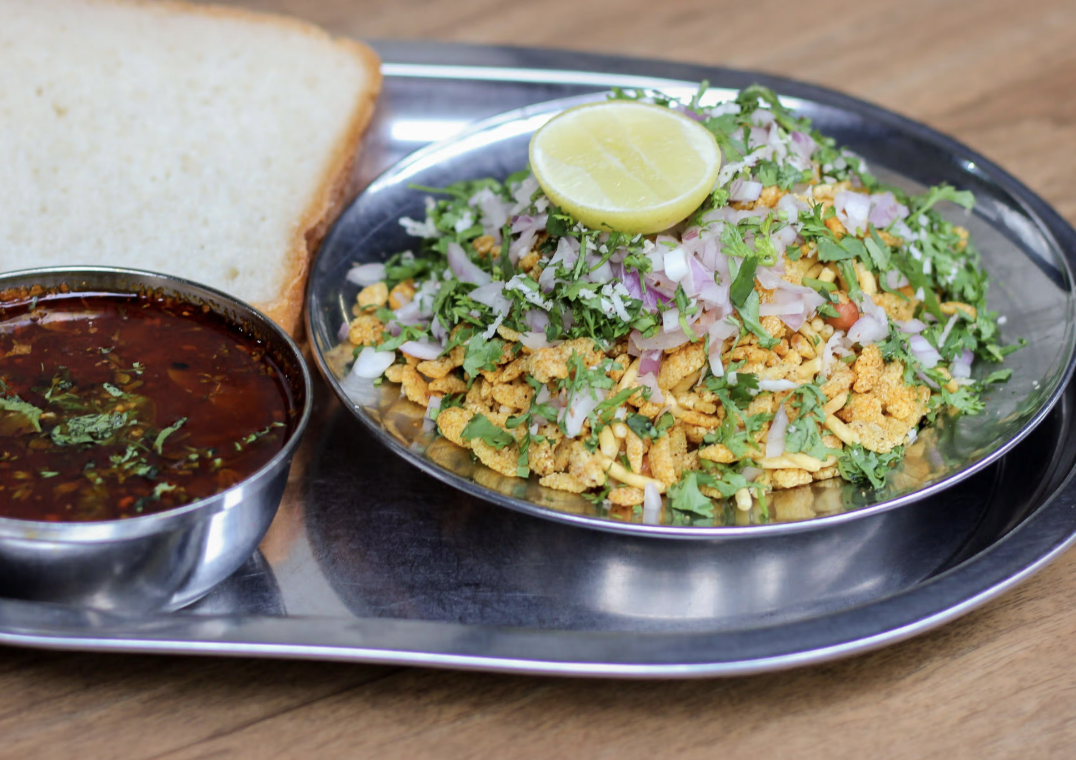
Shrikrishna Bhuvan (map): Tucked into a Tulshibaug bylane and running since 1941, the connoisseur's pick, built on pohe and potato bhaji rather than the farsan-heavy style you'll find elsewhere.
Katakirr: A newer name that's built a serious following of its own, now with outlets across the city from its Erandwane original (map). It skips matki (sprouted moth beans) more often than not, leaning instead on a potato base and an oily, fiery tarri, with spice levels ranging from light to genuinely punishing.
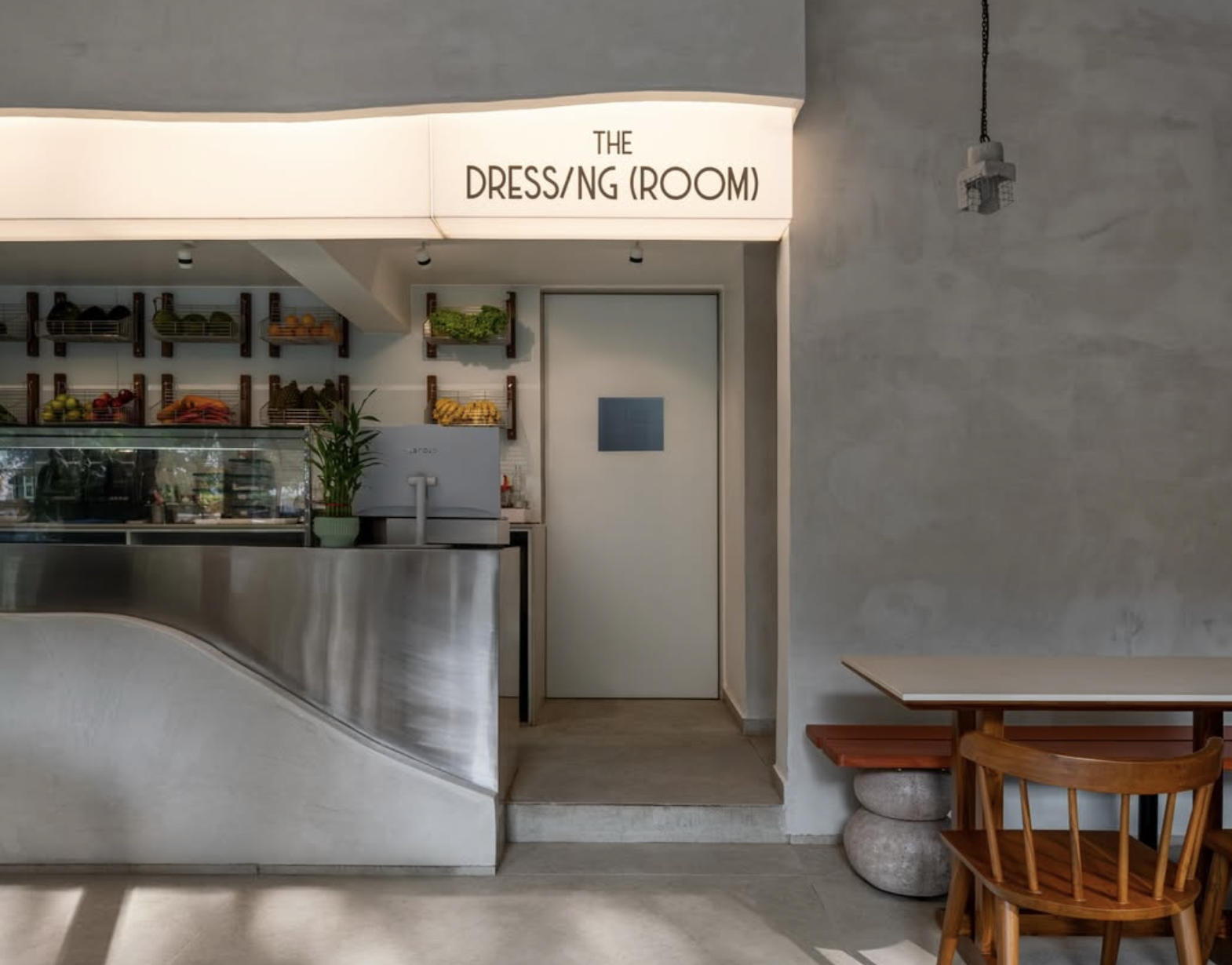
And the other end of the spectrum: Pune's newer food scene has its own set of go-tos by cuisine. Malaka Spice (map), in Koregaon Park since 1997, was one of the first restaurants here to take pan-Asian food seriously — Thai, Malaysian, Indonesian, and Vietnamese dishes in a lantern-lit courtyard and it's still the benchmark. The Dressing Room (map), Pune's first dedicated salad bar, does the genre properly rather than as an afterthought, with bowls, wraps, and smoothies built to actually fill you up. Taco and Tequila Co (map)., a two-level, mural-covered space with live music on Sunday afternoons, is the city's go-to for Mexican, cocktails included. And Sante Spa Cuisine, with branches across Koregaon Park (map), Baner (map), and Law College Road (map), has built its name on vegan food that doesn't read as a compromise—ragi-based pizzas, cold-pressed juices, and a menu that treats “healthy” as a starting point rather than the whole pitch.
*****
Takshi Mehta is a lifestyle writer and journalist with an enduring love for cricket, cinema, and culture. You can follow her on Instagram: @takshimehta.
 souk picks