

The un-tourist’s guide to Athens
Editor’s note: Meenakshi Reddy Madhavan has long been one of our favourite writers and people. She also has the greatest virtue of a traveler: a wide-ranging curiosity and interests. Meenakshi is most serendipitously living in Berlin—so we shanghaied her into writing a series of personal, unique, ‘un-tourist’ guides to cities in her backyard.
In this installment, she tells us how to do Athens in style, bouncing between the ancient and modern worlds with ease.
(Don’t forget to read her guides to Rome, Berlin, Warsaw, and the Spanish Coast.)
Written by: Meenakshi Reddy Madhavan
*****
Athens is, in my opinion, one of the most exciting cities in Europe today. Which makes it one of the most exciting cities in the world. For the most part, Greece has been sidelined into a holiday destination despite its formidable ancient reputation. You pop by Athens, check out the Acropolis and then take a ferry or a plane to one of its many gorgeous islands where you spend the rest of your time basking in the sun, taking selfies with blue and white plastered houses, eat your fish watching the sunset. All beautiful things to do on a holiday, no doubt. But perhaps you’re a little like me. You like the bustle of city life even on holiday. Especially on holiday. You like to dip into a world that isn’t yours—and you can’t do this on a beach because that world has been built for you, the tourist. In Athens, you can be a tourist, and there are millions of tourists, and then you can step slightly to the left and live as the locals live. (Well, okay. The gentrified locals living in gentrified areas, but you are on holiday after all.)
There are two layers to Athens and, luckily for you, you can do them both in the same trip. One is the Ancient Greek stuff, which is everywhere, and absolutely worth it if you’re at all interested in mythology, history, politics, and basically, everything that a lot of the world rests on. The other is modern day Greece, a buzzing, energetic, often angry place that knows both how to protest and how to have a good time. I encourage you to explore both these aspects of the city, dive into the modern world when the ancient one feels too sleepy and escape into century-old art when the modern world gets to be too much.
I’d recommend going in “shoulder season”, either around November or February, because that’s when it’s both sunny and pleasant, without needing much more than a jacket for the evenings. Summer gets extremely hot and you won’t be able to walk so much, especially up the Acropolis hill which has no trees for shade and barely any benches. However, there isn’t really such a thing as off-season any more in these big cities, so don’t go expecting a bargain, unfortunately.
Where to stay
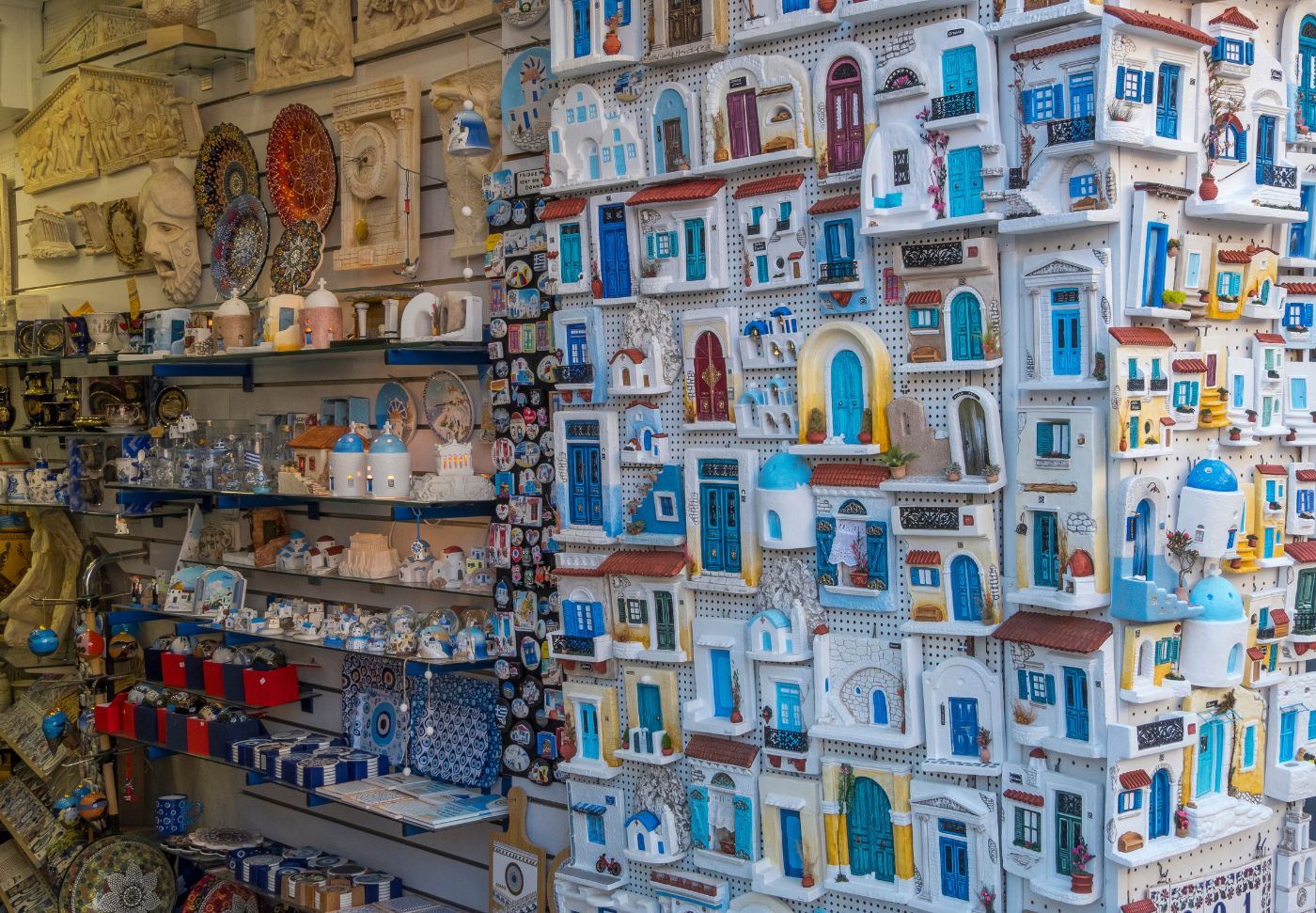
Tourist: Plaka (map), the old town, is where you’ll want to stay if you want to wake up in the morning, step outside your hotel or Airbnb and gaze at the Acropolis. I’ve done this once, it’s not to be dismissed. Most attractions are walking distance, there’s a lovely pedestrian shopping street, although they’re mainly souvenir shops, and it has many hotels for all budget ranges. Only, it’s tourist central, so the food is overpriced and not as good as it is elsewhere in the city. It is, though, like many old towns, highly picturesque. It has all sorts of hotels including chains like the Ibis (map) and Novotel (map), so finding something shouldn’t be hard.
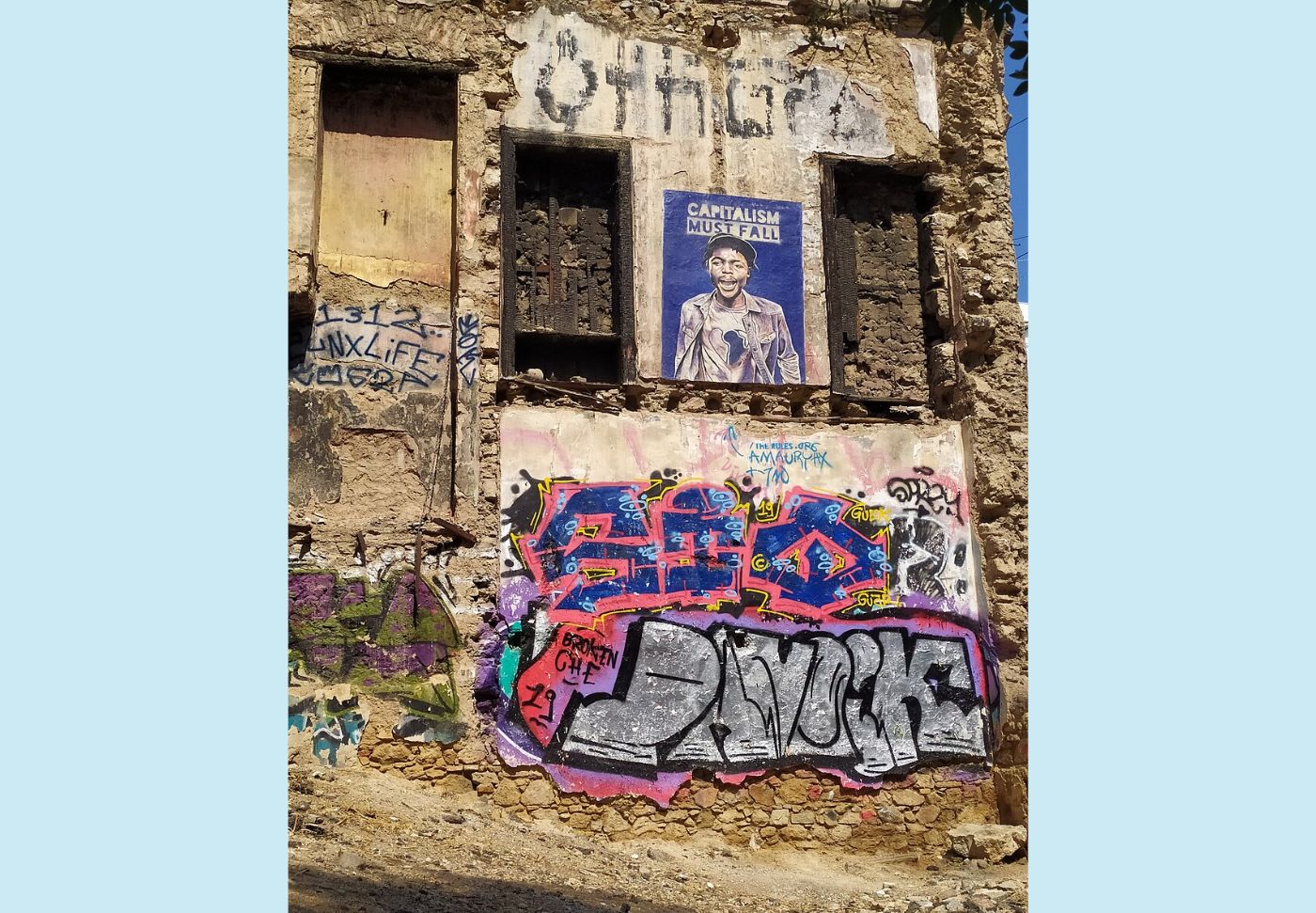
Semi-tourist: Exarchia (map), once the anarchist and punk part of town, has become one of Athens’ most trendy neighbourhoods with murals everywhere and a third wave coffee shop literally on every single street. There’s also many bookshops—this is the heart of literary Athens, one website told me—and clubs and bars. I liked this part of town best because it felt the liveliest. This is the place for vegetarians, anarchists from around the world came to visit Exarchia and quickly gentrified it by adding vegan cafes, so your best bet for oat milk in your coffee! Sadly, this sudden popularity of their neighbourhood has made Athenians a little resentful, so bear that in mind when booking an Airbnb or a hotel. It’s not as bad as Barcelona (yet) but you might see some “tourist get out” slogans on the wall.
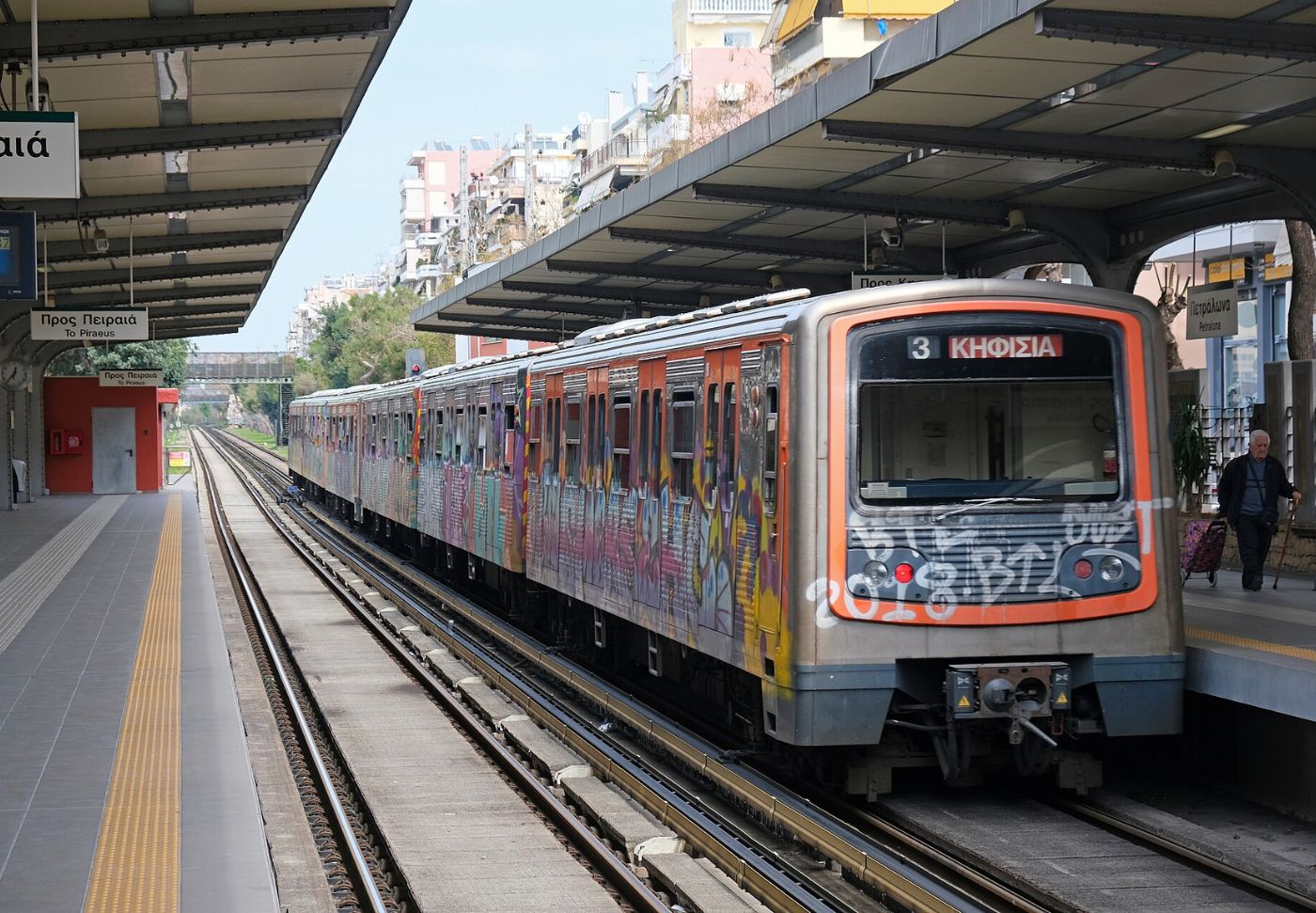
Local-adjacent: Petralona (map), a hilly neighbourhood in the south west of the city, was once a goat herding area until goats were banned in the city in 1925. Regardless, it’s a charming residential area and it gave me the strongest impression of some South Delhi colonies, with its single houses and wrought iron gates. This is the place to eat what the locals eat, it’s full of small tavernas serving house wine in carafes and whatever food they’re dishing up that day. You’ll be hard pressed to find another tourist during your stay here, but since a lot of it is hilly, it’s perhaps not the best option for anyone with limited mobility. That being said, the hills are gentle and it has several very good connections by both train and bus to get to the rest of the city. Our Airbnb here was also cheaper than the rest of the city.
What to do
You can’t go to Athens and not go to the Acropolis (map), but you don’t need me to tell you that. Skip the Acropolis Museum (map) if you don’t have time, it doesn’t add much to the experience. Definitely check out the Archaeological Museum (map), especially its vast hall of marble statues from centuries ago, it filled even my modern heart with wonder. It’s extremely large and comprehensive so do this on a separate day, you’ll need a lot of time.
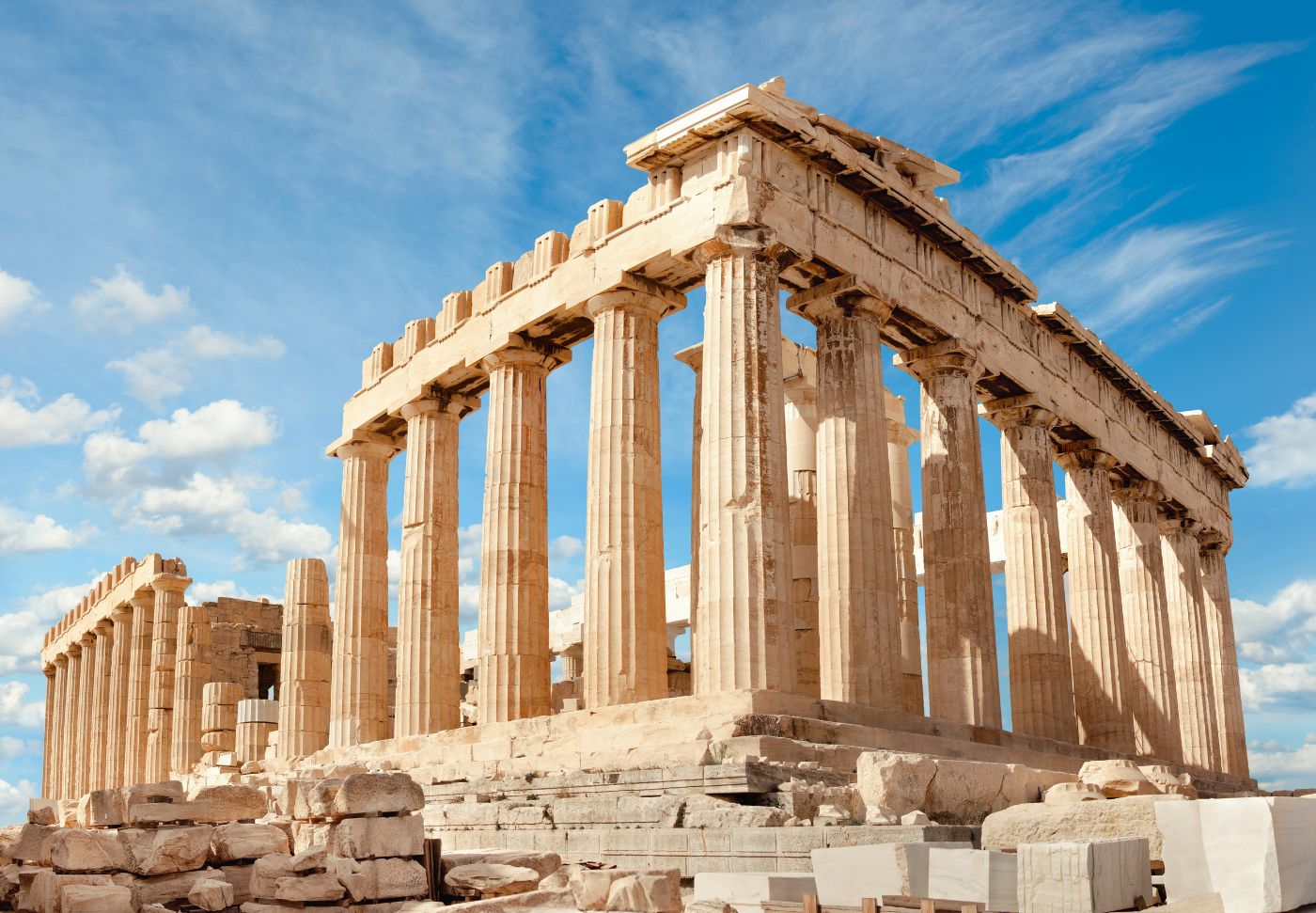
While you’re on the ancient trail, you have to do a good city walk. My research tossed up Athens Free Tour which does a great loop of the ancient sites and goes all the way up to pre-war Greece, including an imported prince and the very first Olympic stadium. (As always, a “free” walk isn’t free, it’s tip-based, so I’d budget about 10-20 Euro per person for this.)
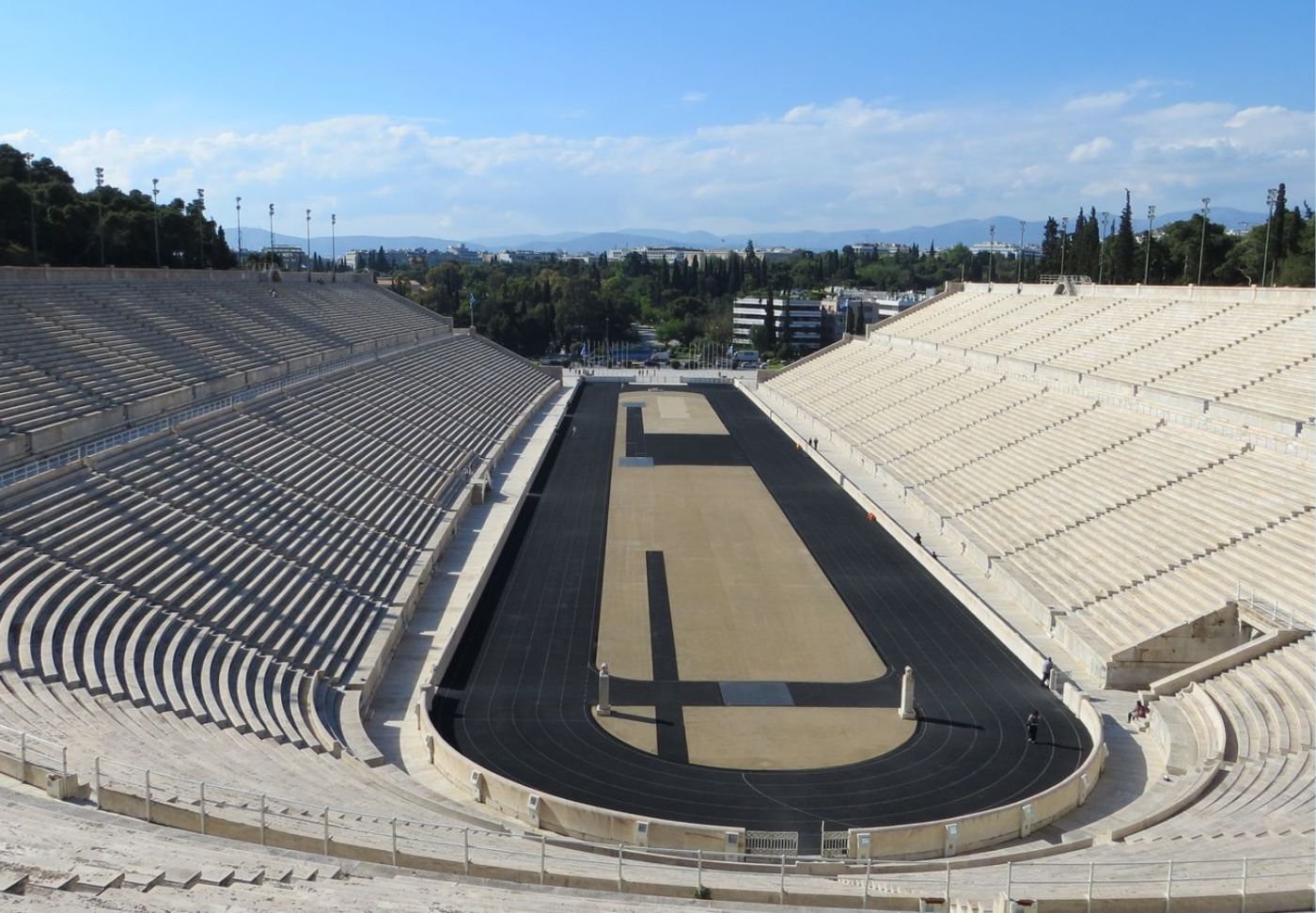
And while we’re on the subject of city walks, I got a lot out of the Athens Social and Political Walk which basically gives you a potted history of Greece and its politics over the last few decades. The guide is an amazing storyteller, and we learned so much by the end. Don’t just take my word for it: it was recommended in the New York Times as well, which is how I learned about it.
Where to eat
Greece, I keep telling people, is one of the few European countries where I don’t miss Indian food at all. Perhaps you’re surprised to hear this, but it’s not all souvlaki and gyros. The food is delicate and brimming with flavour, not a lot of vegetarian options, that’s true, but they do have some. I could probably write a whole post on just what I ate, but I’ll give you some highlights instead.
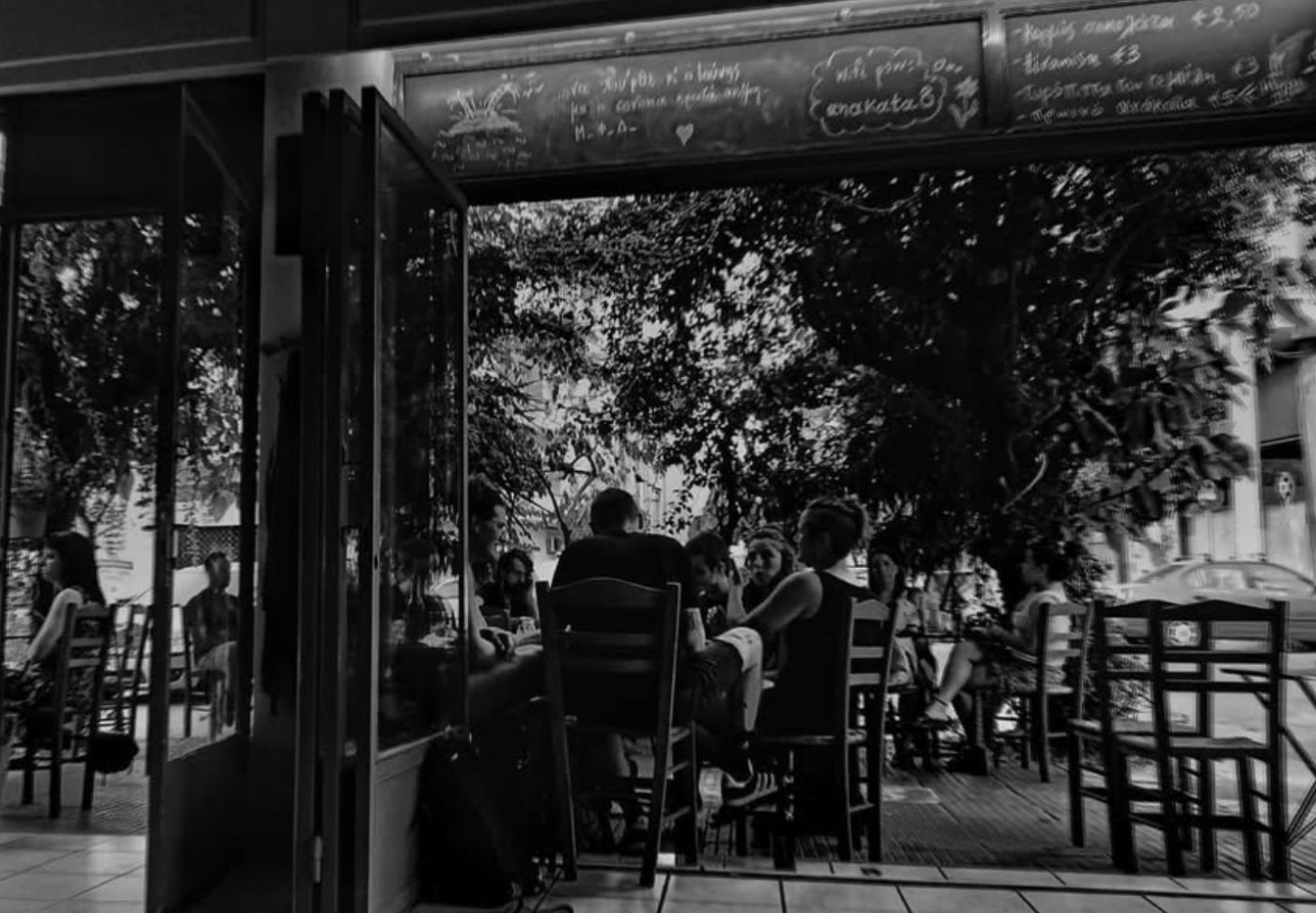
Cafe Anakata (map): A bustling taverna which I noticed because it was right next to our Airbnb and always full, so we decided to take a chance on it. The night we went they had one dish on the menu, a sort of smoked pork stew with fresh bread to dip in it, which we ordered because it was late and there were no other options. It was a revelation. Every other dish we ordered on that trip did not live up to that stew and I still think about it sometimes, fondly. Sadly, we were leaving the next day and couldn’t visit again, but you must.
Kosta (map): If you’re going to have gyros, then you have to join the snaking line to get into Kosta. Now, normally, I’m not a stand in line kind of person. I believe the best food is to be had at the place down the road from the line, but this one intrigued me. Pensioners, construction workers, students, tourists, all waiting for gyros? Faster than I thought, I was in the front of the queue and given a roll stuffed with fatty meat and an incredible red sauce. I wish I had ordered two.
Tzitzikas & Mermigas (map): A recommendation from a food blogger, I didn’t personally eat here, but I’m including it because it’s apparently an excellent veg-forward mezze diner so you can’t say I’m neglecting the vegetarians among you.
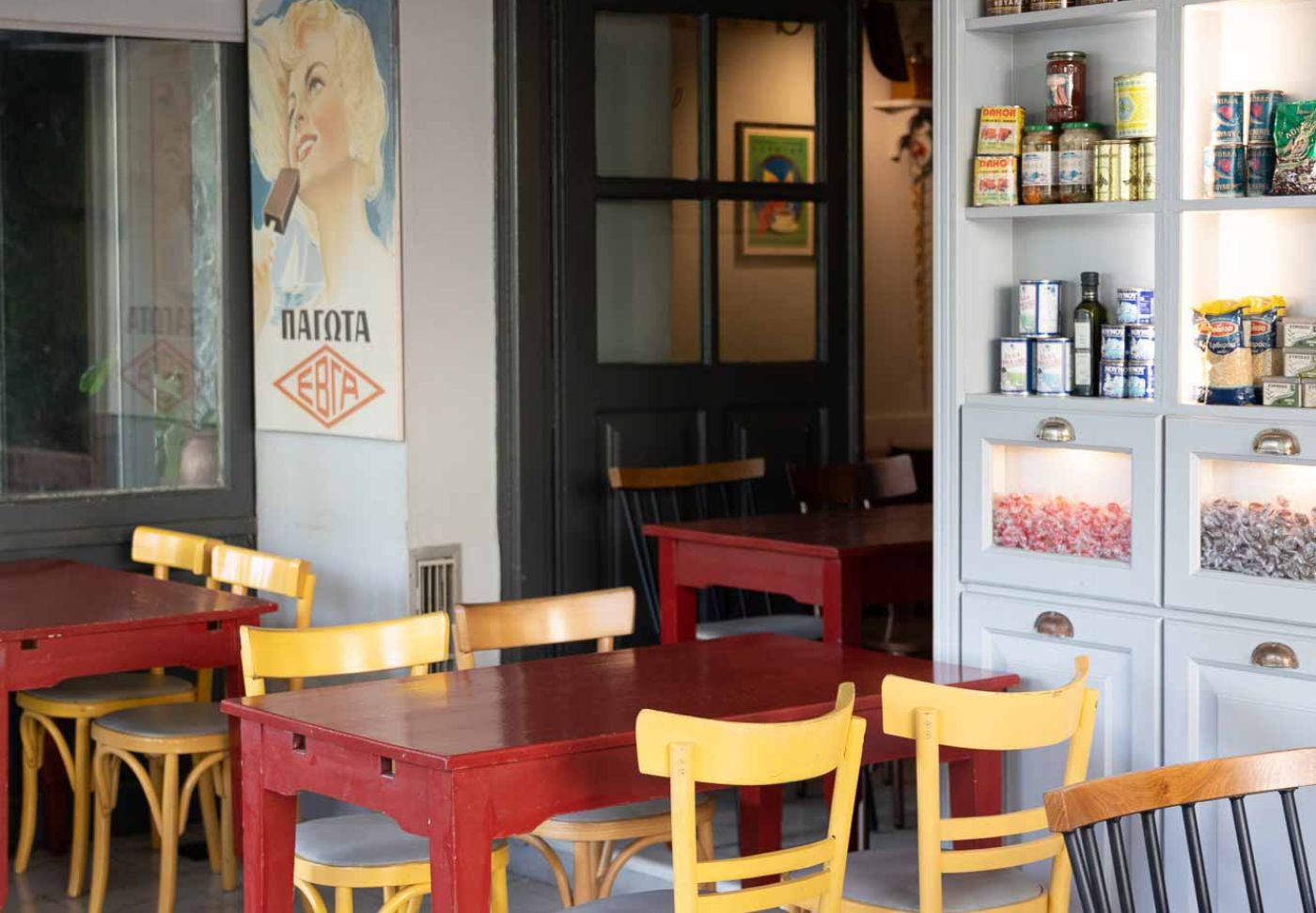
Diporto (map): A “hidden” restaurant, although not really hidden because it’s reasonably well-known. You walk down a flight of stairs into a sort of cellar where you’re offered a choice of three main dishes (one vegetarian option too!), all reasonably priced. Be prepared to share your table, especially during the lunch rush.
Volta (map): Seasonal ingredients, run by a husband-wife team. They take off every summer so they can get ideas for their menu. Unpretentious for all that, and we had a superb meal.
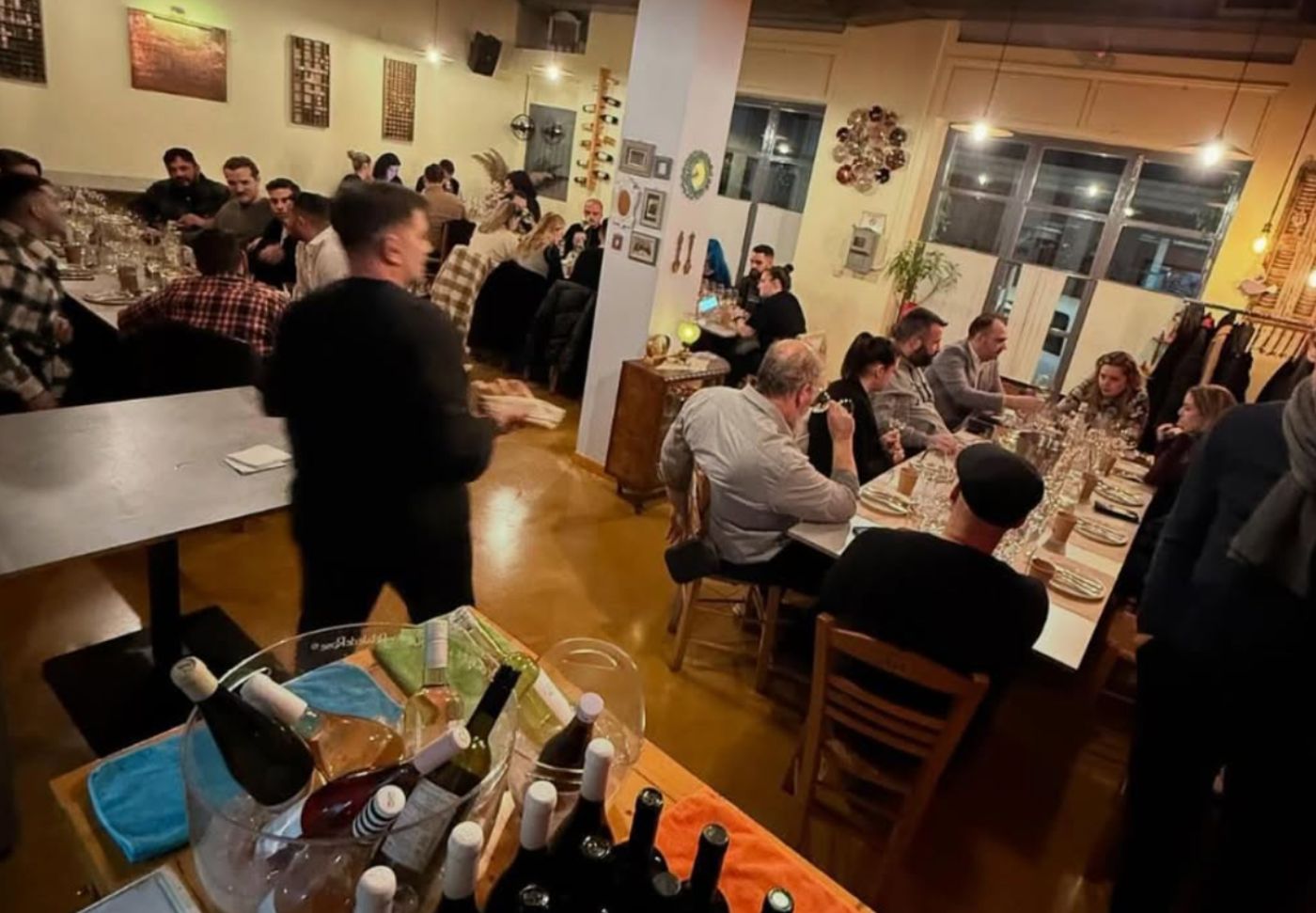
Mostly, if you stay away from tourist areas, you can’t go wrong. Look for a “taverna” if in doubt, you can order lots of little plates to share and a nice carafe of wine to wash it all down with.
What to buy
This wouldn’t be one of my guides if I didn’t tell you about the vintage shops I discovered. In Athens, there’s loads, but all disguised as “Italian Fashion Brands.” Basically anything marked “Outlet” is second hand, I got a beautiful leather backpack for very little at one of these places. Also go to Ermou (map), that’s the main shopping district and you can mix boutique and high street brands with vintage as well.
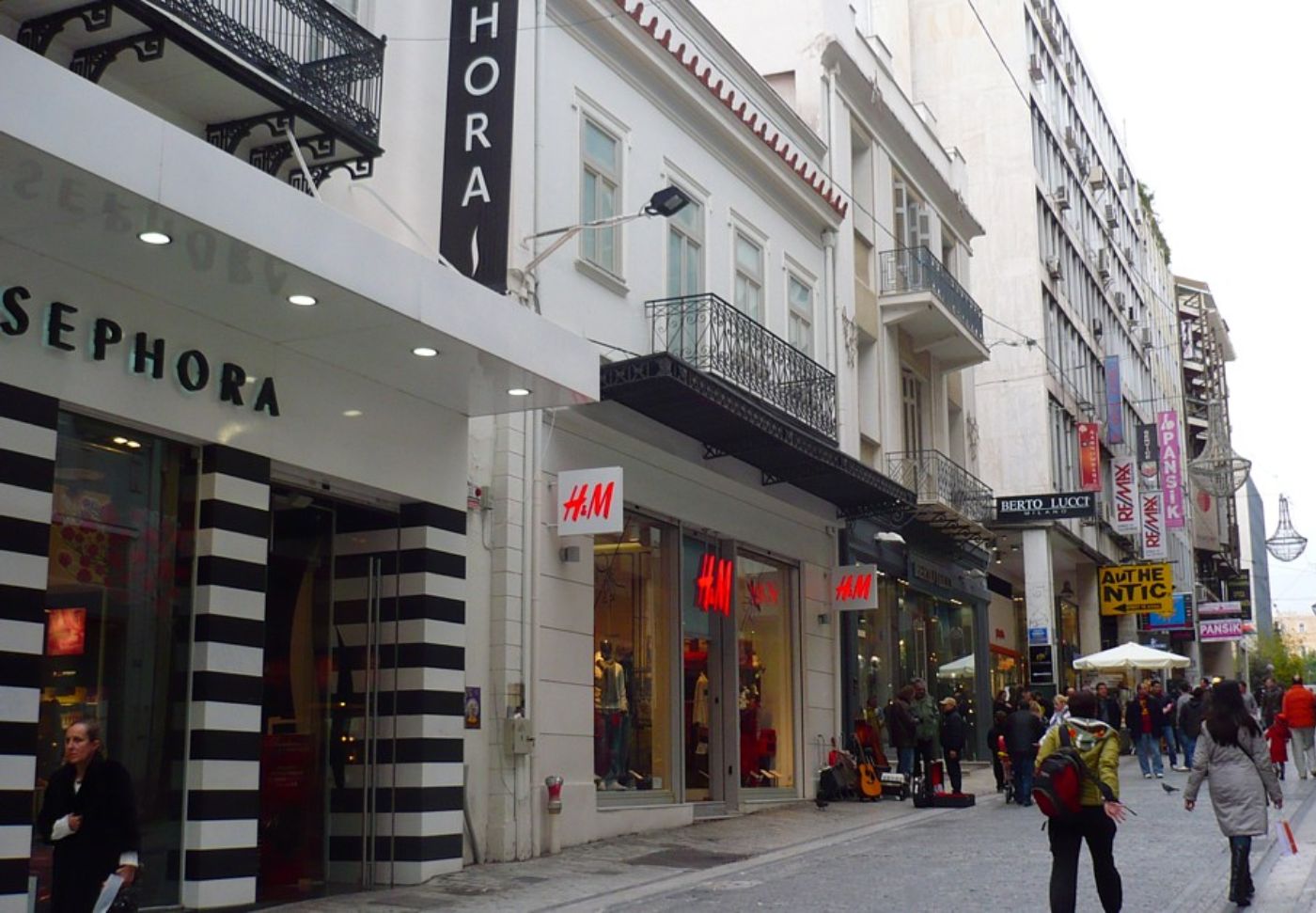
I also shopped for skincare, buying myself a travel perfume and a hand lotion from the brand Korres, very Greek, and a nice smelling souvenir.
In terms of food, if you like herbal tea, it’s worth buying a bag of Greek mountain tea, which looks like (and is, I guess) dried flowers, stems and all. Back in Berlin, on cold days, I break them up and put them in my little tea ball, let them steep for ten minutes and have a delicious dark red warm drink on cold nights.
Kalosorisma as the Greek say! Have a wonderful time.
*****
Meenakshi Reddy Madhavan is the author of eight books, across genres: literary fiction, mythological reinterpretations, young adult and short stories. Her latest book is ‘Soft Animal’, published by Penguin Random House in 2023. She lives in Berlin and writes about it in her newsletter The Internet: Personified.
 souk picks