

How music from the south found its groove
Editor’s note: Over the last many years, the grip Bollywood music had on the pop culture imagination of the country (and beyond) has loosened, with popular music produced in southern India being widely embraced by listeners, from the greats Ilaiyaraaja and AR Rahman to the contemporary stalwarts such as MM Keeravani or Devi Sri Prasad. The rise of YouTube and music and video streamers has provided easier access and exposure, and an informed and evolved audience is now able to experience a more diverse and eclectic set of sounds.
In this spectacular essay, music journalist Narendra Kusnur charts this shift in public perception, drawing out the stylistic and musical differences (and similarities) between music from the north and the south. And as always, we’ve made a smashing playlist for you.
Written by: Narendra Kusnur
*****
North is north and south is south. But can the twain meet? When it comes to Indian film music, listeners often try to compare Bollywood sounds with those produced in south India, chiefly the film industries of Hyderabad, Chennai, Bengaluru, Kochi, and Trivandrum. In most cases, the styles used in both streams are different.
Before looking at what sets them apart, let’s note that over the past five years, music from the south has taken a new direction, with some huge blockbuster films. After the success of the Bahubali series’ music, composed by MM Keeravani, the Telugu films Pushpa: The Rise and RRR, and the Kannada blockbuster Kantara took the craze even further. In contrast, Hindi film music has met with limited success in the same period, with listeners preferring non-film indie releases.
Let’s look at some southside stories. In 2021, the song ‘Srivalli’ from Pushpa became a rage. Originally sung in Telugu by Sid Sriram for music director Devi Sri Prasad and lyricist Chandrabose, it was successfully dubbed in other languages. Though the film was not dubbed in Bengali, Usha Uthup sang her own version to much acclaim. Let’s watch the Telugu version, starring Allu Arjun and Rashmika Mandanna, and Uthup’s Bengali take.
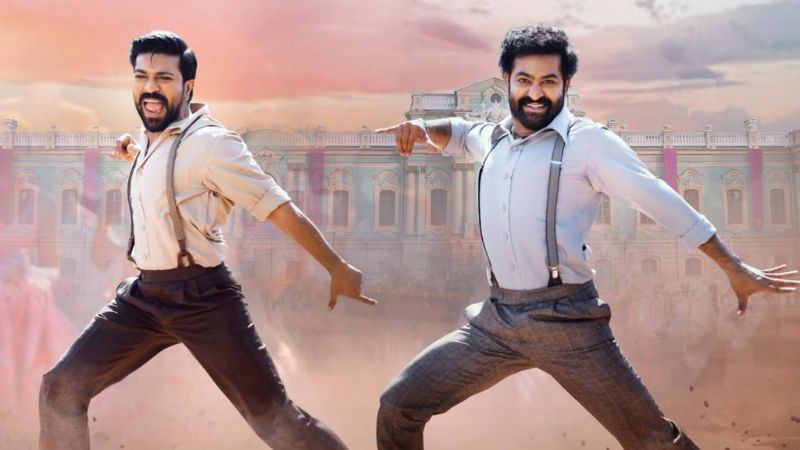
In 2022, the Telugu song RRR made waves. When its ‘Naatu Naatu’ won the Oscar and Golden Globe Awards for Best Original Song three years ago, music industry observers immediately talked about how south Indian film music had made it big on the global stage. Its music director MM Keerawani made headlines, and the actors NT Rama Rao Jr and Ram Charan were praised for their dancing skills. Sung by Rahul Sipligunj and Kaala Bhairava, and written by Chandrabose, the song was shot in the road outside the Ukrainian president’s palace, giving it a grand flavour. Let’s watch the song.
Let’s now go on a nostalgia ride. Popular music from the south has always had its own audience, with Ilaiyaraaja and AR Rahman leading the list of music directors. The latter found more success when his Tamil songs were dubbed in Hindi—early examples being Roja and Bombay. Check Rahman’s Tamil and Hindi versions of the same song in the 1995 film Bombay, sung by KS Chithra. You know which one.
Another case of a Tamil song making it big in the north with its Hindi version is ‘Vaseegara’, composed by Harris Jeyaraj and sung by Bombay Jayashri in the film Minnale. The Hindi version was the famous ‘Zara Zara Behekta Hai’, created by the same team in the film Rehnaa Hai Terre Dil Mein. Let’s hear both versions.
Earlier, the dubbed Hindi songs made waves in the north. Over the past few years, however, original south Indian music has moved out of Chennai, Hyderabad, Bengaluru, or Kerala to embrace audiences from the north and abroad.
With music easily available on streaming platforms and YouTube, different audiences are exposed to more hits from the south. If people had only heard or read about the genius of Ilaiyaraaja before, they are now experiencing it first-hand by surfing playlists. Let’s hear two old 1980s Ilaiyaraja classics—‘Kanmani Anbodu’, sung by S Janaki and Kamal Haasan in the Tamil film Guna, and ‘Aavesmantha’ by SP Balasubramaniam in the Telugu film Aalapana. Note the Carnatic flavours in both.
Thanks to OTT, south Indian films have an increasing audience in the north and outside India. Malayalam movies, especially, have a cult following. Through cinema, audiences are exposed to music too. Here we play two songs which became popular because their films were released on OTT—‘Madhu Pakaroo’, composed by Amrit Ramnath with singer Vineeth Sreekumar in the Malayalam film Varshangalku Shesham, and ‘Em Jarukondundhi’, composed by Hesham Abdul Wahab and sung by him and Chinmayi in the Telugu movie The Girlfriend. Both have complex structures and intricate choruses, but have been really well crafted.
Even as music from the south is attracting newer audiences, Bollywood tunes have shown a decline in popularity over the last couple of years. In 2024, Ram Sampath’s compositions in Laapataa Ladies were critically acclaimed, and Stree 2 (Sachin-Jigar) did well on the charts. Last year, the three big hits were Saiyaara (multiple music directors), Dhurandhar (Sashwat Sachdev) and Chhaava (Rahman). But apart from these, there has been a lot of insipid music. Of the good songs, let’s watch ‘Sajni’, sung by Arijit Singh in Laapataa Ladies, and the Saiyyara title song, composed by Tanishk Bagchi and sung by Faheem Abdullah and Arslan Nizami.
Over the past few months, the songs of Dhurandhar and its sequel Dhurandhar: The Revenge have clicked. A large chunk contains reimagined and mangled versions of retro hits like ‘Piya Tu’ (from Caravan), ‘Ramba Ho’ (Armaan), ‘Oye Oye’ (Tridev) and ‘Tamma Tamma’ (Thanedaar). Music in both films is by Shashwat Sachdev. Let’s check out one song each. The first is the Dhurandhar title track ‘Jogi’, based on a Charanjit Ahuja tune and sung by Hanumankind and Jasmine Sandlas, and the second is ‘Aari Aari’, taken from a traditional Punjabi tune and sung in Dhurandhar: The Revenge by Bombay Rockers, Jasmine Sandlas, and rappers Reble and Token.
Listening to these genres on a broader scale, one notices one primary difference. The composers in Hindi films are influenced in a big way by Sufi music, bhangra, ghazals, and folk from northern regions, often blending them with western sounds. The rhythms are often based on Punjabi, Rajasthani or Uttar Pradesh folk forms. On the other hand, south Indian music is rooted in Carnatic melodies and rhythm styles, again with a blend of contemporary western arrangements.
Let’s take two examples of both. From Bollywood, we have the song ‘Aavan Jaavan’, composed by Pritam and sung by Arijit Singh and Nikhita Gandhi in War 2. It uses Punjabi lines and melodies. Then, we take ‘Nagada Sang Dhol’, from Sanjay Leela Bhansali’s 2013 movie Goliyon Ki Raasleela: Ram-Leela, composed by Bhansali himself and sung by Shreya Ghoshal and Osman Mir. It uses a Gujarati garba beat. The regional element is prevalent in both.
From the south, there is ‘Kanmanipoove’ from the 2025 Malayalam movie Thudaram. Composed by Jakes Bejoy and sung by MG Sreekumar, it uses Carnatic-style melodies and sargams. This is followed by ‘Madana Mana Mohini’, composed by B Ajaneesh Loknath and sung by Vijay Prakash and Ananya Bhat in the Kannada film Kantara. The alaaps, nadawaram, and rhythms are very typical of the folk music of Mangalore.
Both Bollywood and southern music have their own characteristics. Though there have been attempts by music directors to cross over, Rahman is the only one to crack both markets with equal success. Let’s end with one Tamil dance number of his, which has a southern flavour, and one Hindi number which is rooted in north Indian music. Check out the synth-heavy ‘Yennai Izhukkuthadi’ from last year’s movie Kadhalikka Neramillai, which’s he’s himself sung with young singer Dhee, followed by the Sufiana track ‘Kun Faaya Kun’, sung by Javed Ali, Mohit Chauhan, and him in the 2011 release Rockstar.
Whether you prefer Hindi music or southern stuff or both depends on your upbringing, exposure and taste. If you want to check a mix of both styles, we list the songs mentioned earlier in the article. Maybe you can make the twain meet.
- Srivalli – Telugu, Pushpa: The Rise
- Srivalli – Bengali, non-film
- Naatu Naatu – Telugu, RRR
- Kannalanae – Tamil, Bombay
- Kehna Hi Kya – Hindi, Bombay
- Vaseegara – Tamil, Minnale
- Zara Zara – Hindi, Rehnaa Hai Terre Dil Mein
- Kanmani Anbodu – Tamil, Guna
- Aavesamantha – Telugu, Aalapana
- Madhoo Pakaroo – Malayalam, Varshangalku Shesham
- Em Jarukondhundi – Telugu, The Girlfriend
- Sajni – Hindi, Laapataa Ladies
- Saiyyara – Hindi, Saiyaara
- Jogi – Hindi/ Punjabi, Dhurandhar
- Aari Aari – Hindi/ Punjabi, Dhurandhar The Revenge
- Aavan Jaavan – Punjabi, War 2
- Nagara Sang Dhol – Hindi, Goliyon Ki Rasleela: Ram-Leela
- Kanmanipoove – Malayalam, Thuduram
- Madana Mana Mohini – Kannada, Kantara
- Yennai Izhukkuthadi – Tamil, Kadhalikka Neramillai
- Kun Faaya Kun – Hindi, Rockstar
*****
Narendra Kusnur has been a music journalist for over 40 years—including a decade-long stint covering the beat at the Mid-Day newspaper. He currently writes for The Hindu, Free Press Journal, Hindustan Times, and Rolling Stone India—besides the in-house magazines of prestigious institutions—such as NCPA and Shanmukhananda Hall.
 souk picks