

Desified keema pasta & other soul foods
Editor’s note: Never Too Much On My Plate by author and journalist Ramona Sen is a five-course delight. The book is an ode to her culinary journey, narrated via a collection of essays, a crisp novella, recipes, and other musings, as Sen takes us through India’s complex and often befuddling food experiments.
In the following excerpt, from an essay about inclusive Indian kitchens, Sen talks about her mother’s “spaghetti Bolognese”—a dry, meaty, fusion concoction bearing little resemblance to the original—and other Italian experiments that, to her palate, far outweigh the joys of the authentic versions. This excerpt from Never Too Much On My Plate by Ramona Sen has been published with permission from Om Books.
*****
Le Dolce Pasta
There was a time we didn’t know much about Italian food other than the fact that thick, bland noodles were called pasta, and pizza was like a great open sandwich. When risotto crept into the scene, Bengali mothers dismissed it as gola bhaat (overboiled rice) which was a popular sickness staple. The first pizzas available in select patisseries around town were small, round, bready concoctions with fluffy bases laid over with a sweet tomato sauce, topped with chicken, vegetables and cheese, usually made with leftovers from dinner, but we weren’t complaining. The pizzas gradually became better, larger, the crust waxing and waning with what was in trend. The pastas remained a variation of cheesy noodles and most of us preferred the Chinese chowmein. Not that we thought we were having Italian food, or even American-Italian food; mothers tended to dismiss it all as broadly ‘junk food’. Which is why single portion pizzas and platters of homemade pasta became the most popular ‘birthday party food’ — a sinful treat that could not be denied to us after we were done scrambling under the khoi bag.
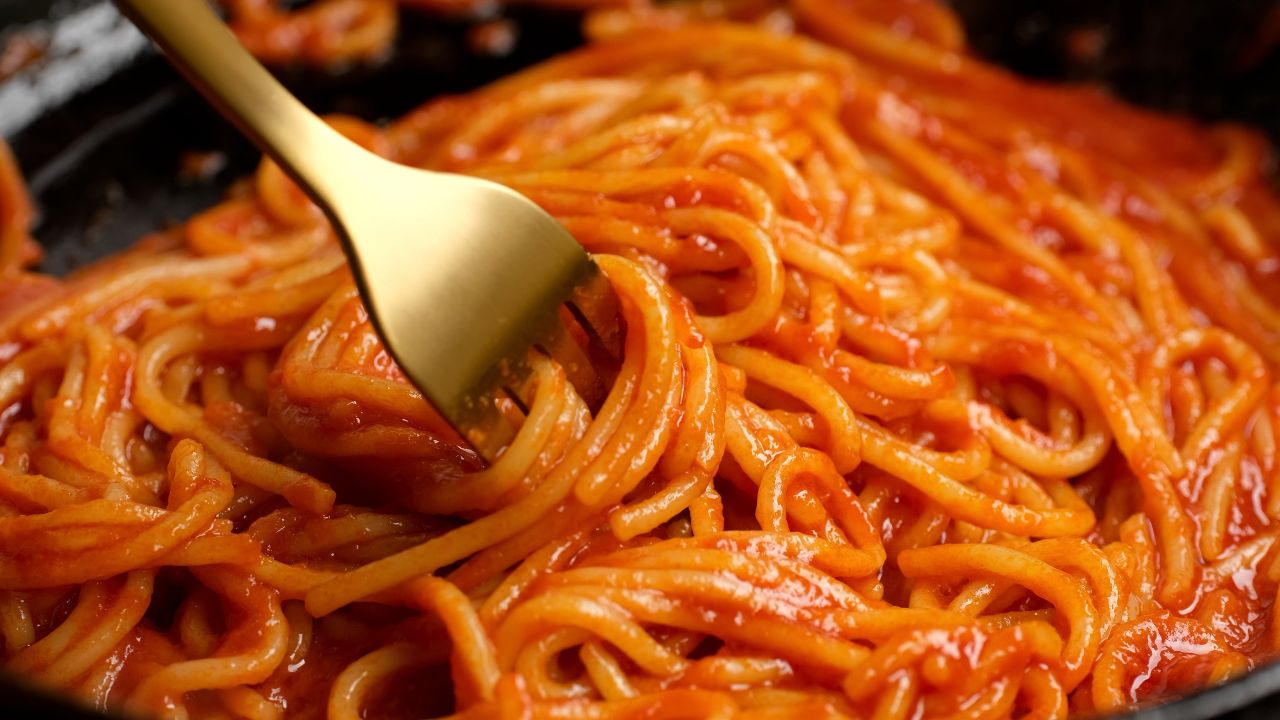
The first spaghetti I ate was one of my mother’s winter specialities (not because it used winter ingredients but because it was the only season she was willing to spend time in the hot fumes of the kitchen). She called it Spaghetti Bolognese, and this meaty pasta quickly became a favourite even amongst my friends. My mother’s Bolognese involved keema, which was fried with onion, ginger, garlic and chillies and then left to cook in its own juices. The spaghetti was simply added into this and mixed well. In short, the Spaghetti Bolognese I grew up with was a keema pasta instead of keema with rice or paratha — the meat was distinctly Indian, only eaten with an Italian staple. I didn’t go out and order Spaghetti Bolognese in a restaurant until years later. The tomato-based meat sauce was a nasty surprise which entirely overpowered both the spaghetti and the large, bland meatballs in the dish. My mother was amused that I preferred her dry-but-meaty keema spaghetti to this soggy mess on my plate.
I learned with time that the ‘Bolognese’ is a much-abused dish around the world and most bear little resemblance to the Ragu alla Bolognese of Bologna which, interestingly, is served with tagliatelle instead of spaghetti, because the fresh flat ribbons lend themselves to soaking in a hearty meat sauce better than it would a runnier base or a drier pasta dish. Pork belly and minced beef form the mainstay of the original ragu, where the flavours are enhanced by tomato puree as well as whole milk! No wonder then that the much-ruined but widely available Spaghetti Bolognese misses the mark.
Another culinarily accomplished friend, who had made it her business to master at least ten varieties of pasta through her schooldays, concocted her own cheesy recipe which we called Pasta Crumble. This young cook had developed a nose for the most exciting aisles of the supermarket long before any of us could tell cheddar from parmesan. She wouldn’t let me pick at the bacon after she had fried the rashers to perfection and kept it aside to be added to the pasta later. Her chosen variety was usually the classic spaghetti which she cooked on the stove before finishing it in the oven — a crossbreed pasta if ever there was one. She would upturn the pasta into a baking dish, strew breadcrumbs on top, grate a block of parmesan over it and shove it into the oven on high heat. When she finally brought it out to the table, where I was beside myself with greedy excitement, the pan-tossed spaghetti had turned into a perfect bake with a crunchy, crumbly, golden-brown crest which one had to slice through in order to get to the spaghetti which lay under it. At this kitchen, I picked up a tip which has been most useful to me — Parmesan is a hard cheese which does not in fact melt without wet ingredients. Grate some of it and put it into a hot pan and you will find that it disintegrates and becomes dry like a Parmesan crisp. A delicious and easy-to-make snack when it’s time to flix-and-munch!
I’m almost afraid the authentic Italian pasta will never fulfil my expectations, just as authentic English scones did not. Keema Spaghetti and Pasta Crumble remain my favourite ‘Italian’ dishes and a breakfast platter with Sunny Side Down is welcome even at dinner. Our inclusive home kitchens are like Chinese Whispers, where the original is entirely distorted but the end result can be even more delightful.
****
This excerpt from Never Too Much On My Plate by Ramona Sen has been published with permission from Om Books.
 souk picks